
Specialised Committees Drive Governance and National Stability
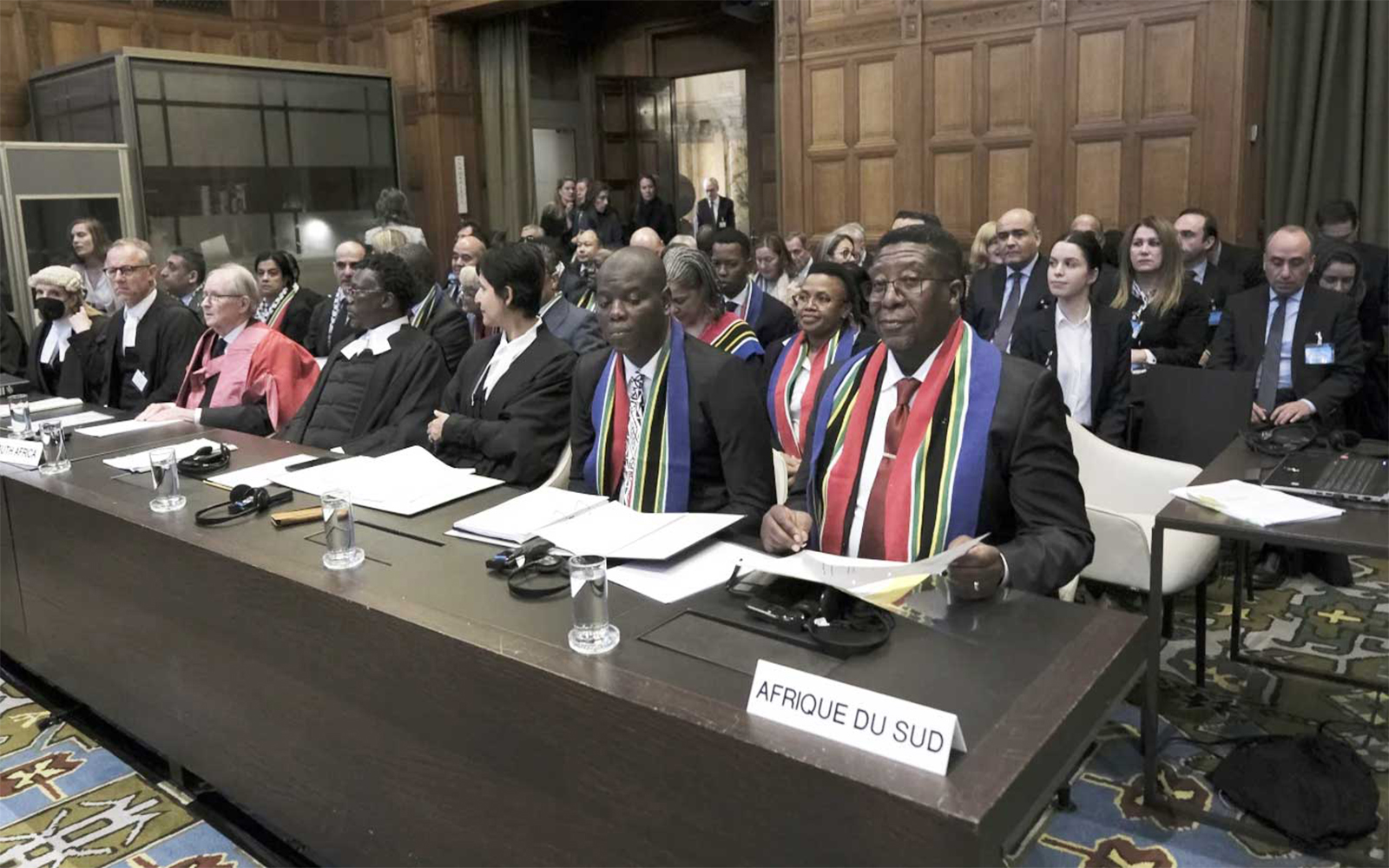
South Africa's government has reinforced the critical importance of specialised committees as pillars of effective governance, highlighting their role in strengthening oversight, improving policy coordination, and ensuring accountability across key sectors as the country navigates complex economic and social challenges, with these structured bodies-spanning areas such as finance, public service, infrastructure, and social development-tasked with scrutinising legislation, monitoring implementation, and aligning national priorities to achieve measurable outcomes, while officials emphasise that their work enhances transparency and responsiveness by enabling informed decision-making and faster intervention where gaps are identified, ultimately contributing to more efficient service delivery and long-term planning; the renewed focus on committee-driven governance comes amid efforts to modernise public administration and foster collaboration between departments, with experts noting that well-functioning committees not only reduce bureaucratic delays but also create a platform for inclusive dialogue, evidence-based policymaking, and strategic foresight, positioning them as essential instruments in safeguarding South Africa's democratic institutions and securing a stable, sustainable future for its citizens.


