
South Africa Stands as a Continental Leader in Science, Innovation and Technology
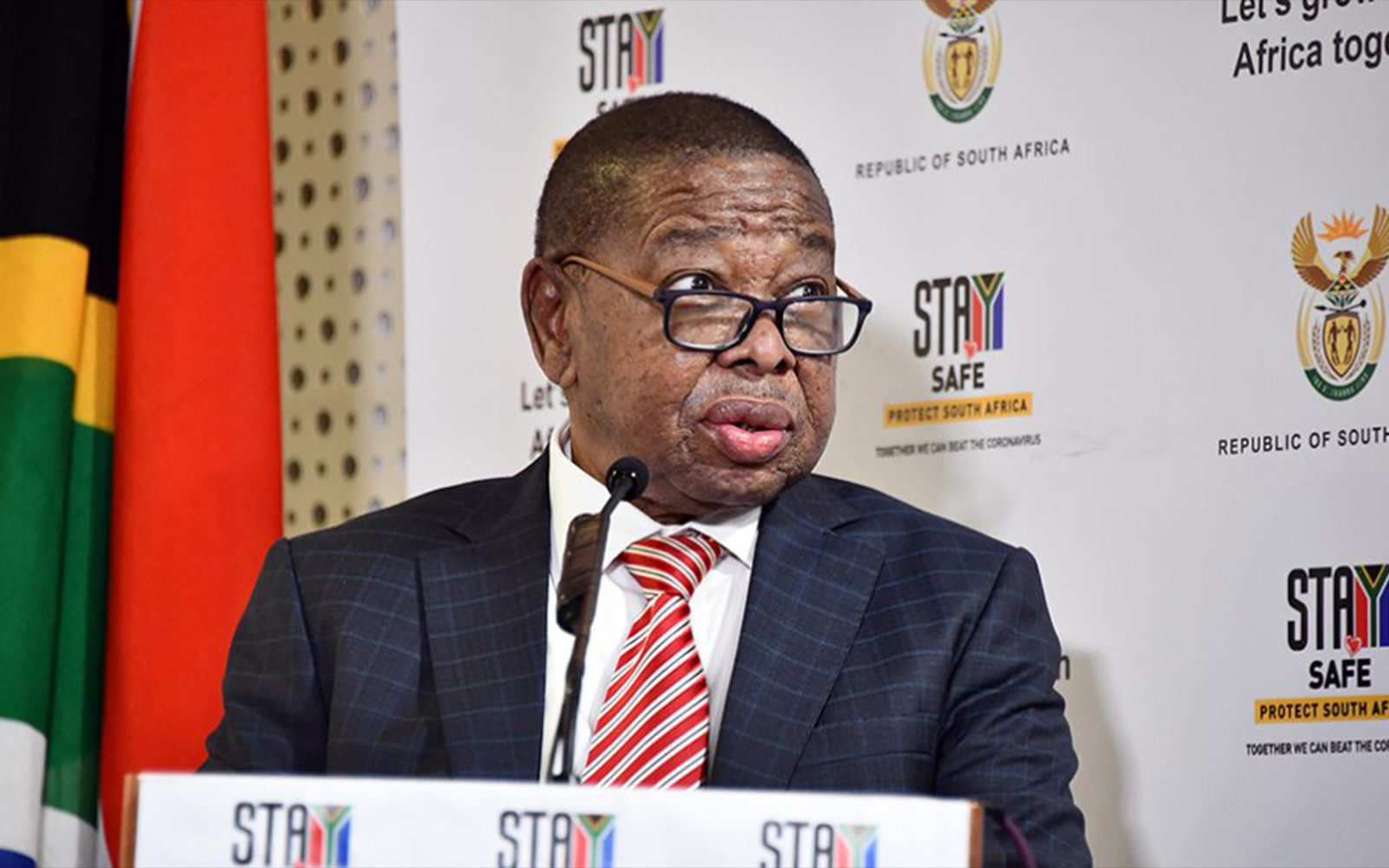
South Africa continues to prove that it is not only a country of natural beauty and cultural strength, but also a serious continental leader in science, innovation and technology. In an opinion article published by SAnews, Deputy Government Spokesperson William Baloyi highlighted how South African scientists, researchers and innovators are helping to solve major social challenges while contributing to global knowledge. His message is clear: science is not something distant or reserved for laboratories only; it is a powerful national asset that improves healthcare, strengthens the economy, inspires young people and positions South Africa as a trusted global partner.
One of the strongest examples of South African innovation is the Lodox scanner, a technology first developed in the mining industry to detect smuggled diamonds using low-dose, full-body X-ray imaging. What began as a mining-sector solution has since become a life-saving medical tool used in trauma centres and hospitals in South Africa and internationally. The scanner can produce full-body images within seconds while exposing patients to significantly less radiation than traditional X-rays or CT scans. This invention shows how one smart idea, created for one industry, can be adapted to save lives in another.
South Africa’s scientific leadership also has deep historical roots in medicine. In 1967, Professor Christiaan Barnard performed the world’s first successful human-to-human heart transplant at Groote Schuur Hospital in Cape Town. That moment placed South African medical expertise on the world stage and proved that the country could produce groundbreaking innovations with global impact. Today, this legacy continues through research in infectious diseases, HIV prevention and treatment, vaccine development and healthcare solutions designed to respond to the real needs of communities.
Beyond medicine, South Africa has become a major player in global astronomy and space science. The Square Kilometre Array, hosted in the Northern Cape and co-located with Australia, is one of the world’s most ambitious scientific projects. It aims to build the largest radio telescope ever constructed, giving researchers new ways to study galaxies, black holes, the origins of the universe and the fundamental laws of nature. South Africa’s role in this project demonstrates the country’s ability to host and contribute to advanced international science at the highest level.
The country’s leadership in astronomy is already visible through the MeerKAT radio telescope in the Karoo. MeerKAT has produced important scientific discoveries, including detailed observations of the centre of the Milky Way, and has strengthened South Africa’s reputation as a serious contributor to global astronomy. It also serves as a precursor to the larger SKA project, helping to build local expertise, technical capacity and international confidence in South Africa’s scientific infrastructure. This is not only about looking into space; it is about building skills, technology, data capability and innovation ecosystems here at home.
South Africa’s research output further confirms its continental strength. According to the SAnews article, the country produced 25 775 scientific articles in 2023, placing it 29th in the world and second in Africa after Egypt. This means South African research is not only being produced in large volumes, but is also being used and trusted by researchers across the world. The country has shown particular strength in health sciences, humanities and natural sciences, where local expertise continues to shape global understanding and policy thinking.
National Science Month has provided an important platform to celebrate these achievements and encourage more public interest in science, technology and innovation. Its purpose is not simply to showcase impressive inventions, but to remind South Africans that science affects everyday life. It improves hospitals, supports clean energy, strengthens food security, advances communication systems, supports climate adaptation and creates new opportunities for young people. When communities understand the value of science, they are better able to participate in the future economy.
The article also carries an important message about youth development. South Africa’s future depends on inspiring the next generation of scientists, engineers, researchers, inventors and technology entrepreneurs. Young people must see science as something practical, exciting and connected to real opportunities. Schools, universities, research institutions and industry partners all have a role to play in creating pathways for learners to move from curiosity to careers. A country that invests in young scientific talent is investing in jobs, competitiveness and long-term national resilience.
Innovation is also central to building a more inclusive economy. Scientific progress should not benefit only laboratories, large companies or major cities. It must reach communities through better healthcare, safer transport, cleaner energy, improved water systems, digital services and new industries that create employment. South Africa’s challenge is to turn research strength into practical solutions that improve ordinary lives. When science is connected to development, it becomes a tool for reducing inequality and unlocking human potential.


