
South Africa Pledges a More Accessible Future — But This Time, Action Must Follow
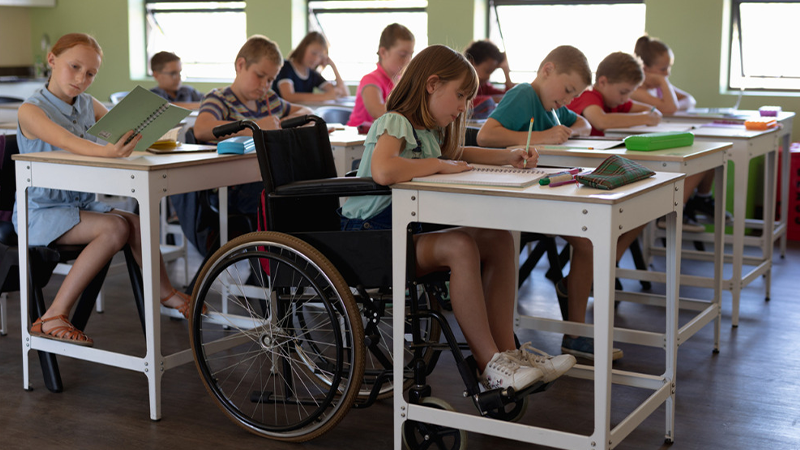
Ahead of the International Day of Persons with Disabilities, government promises a new era of inclusion, dignity and equal access.
South Africa has once again taken the global stage to declare its commitment to building a society where persons with disabilities are not just accommodated - but fully included. Ahead of the International Day of Persons with Disabilities, government announced a renewed framework aimed at expanding access, strengthening legislation, and transforming the lived experiences of millions of South Africans.
But this year feels different.
The tone is sharper.
The urgency is louder.
And the expectations from disability advocates are higher than ever.
A New Push for Inclusive Services and Real Support
Government outlined a series of new and strengthened measures to improve accessibility in public services, schools, workplaces, transportation and digital platforms. The vision goes beyond ramps and signage - it calls for equal opportunity, full participation, and a shift in how institutions understand disability.
Plans include improving access to assistive devices, expanding inclusive education, upgrading public health services, and tightening enforcement of workplace equality laws. Officials say this marks a “decisive shift” toward a rights-based model of disability support.
A Society That Leaves No One Behind
South Africa has long recognised disability inclusion as a constitutional obligation, but implementation has lagged behind intention. This new commitment arrives at a time when disability groups are demanding more transparency, stronger policy execution, and measurable outcomes.
If the renewed plan succeeds, it could reshape everything from unemployment among persons with disabilities to access to healthcare, social services, and independent living support. It is a call to rebuild society with dignity and fairness at its core.
For millions of South Africans, inclusion isn’t a privilege - it’s a fundamental right.
This time, government says it’s ready to deliver on it.
South Africa has once again taken the global stage to declare its commitment to building a society where persons with disabilities are not just accommodated - but fully included. Ahead of the International Day of Persons with Disabilities, government announced a renewed framework aimed at expanding access, strengthening legislation, and transforming the lived experiences of millions of South Africans.
But this year feels different.
The tone is sharper.
The urgency is louder.
And the expectations from disability advocates are higher than ever.
A New Push for Inclusive Services and Real Support
Government outlined a series of new and strengthened measures to improve accessibility in public services, schools, workplaces, transportation and digital platforms. The vision goes beyond ramps and signage - it calls for equal opportunity, full participation, and a shift in how institutions understand disability.
Plans include improving access to assistive devices, expanding inclusive education, upgrading public health services, and tightening enforcement of workplace equality laws. Officials say this marks a “decisive shift” toward a rights-based model of disability support.
A Society That Leaves No One Behind
South Africa has long recognised disability inclusion as a constitutional obligation, but implementation has lagged behind intention. This new commitment arrives at a time when disability groups are demanding more transparency, stronger policy execution, and measurable outcomes.
If the renewed plan succeeds, it could reshape everything from unemployment among persons with disabilities to access to healthcare, social services, and independent living support. It is a call to rebuild society with dignity and fairness at its core.
For millions of South Africans, inclusion isn’t a privilege - it’s a fundamental right.
This time, government says it’s ready to deliver on it.


