
South Africa Enters Final Stretch of G20 Presidency with Focus on Global Inclusion
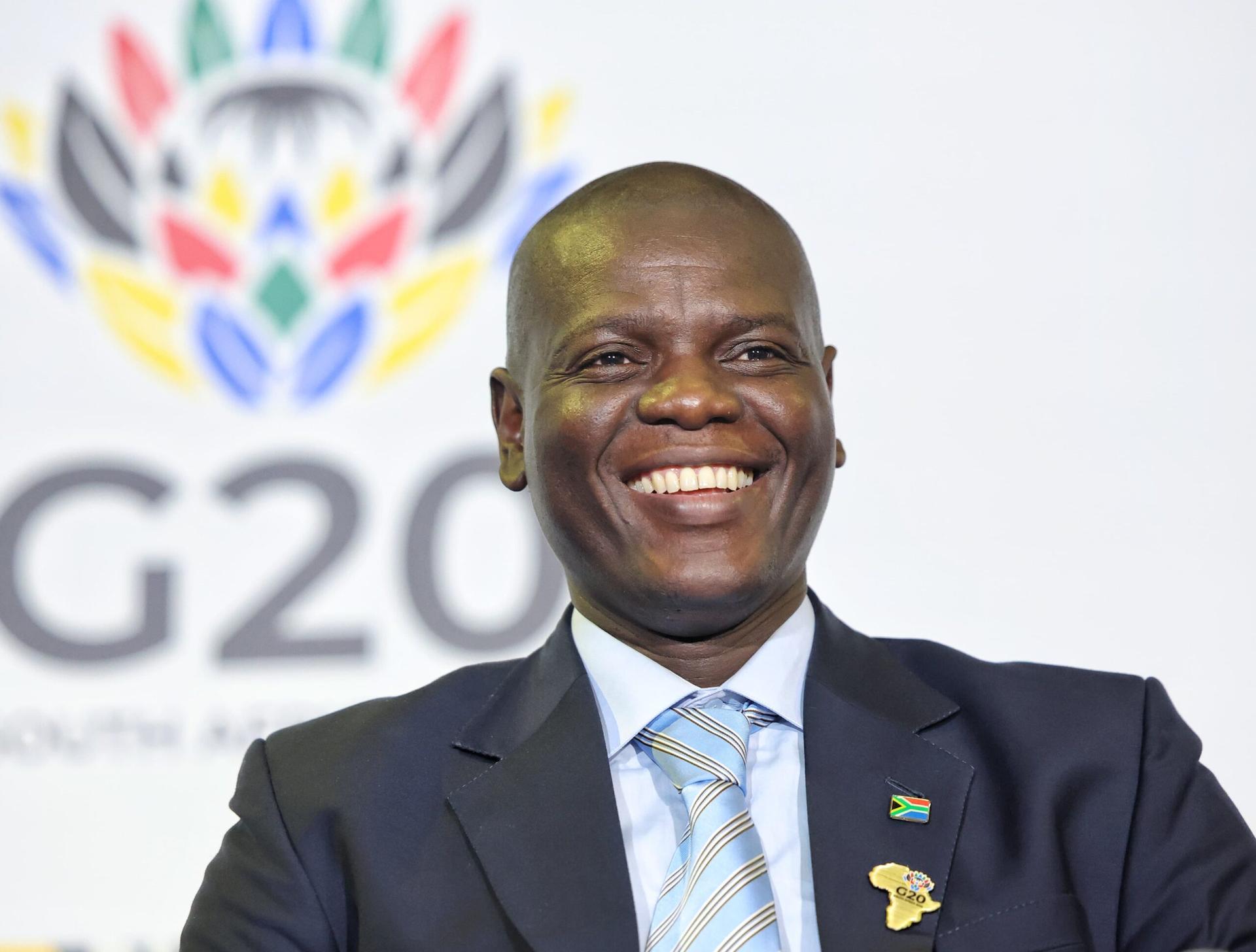
South Africa is entering the last 100 days of its G20 presidency as preparations intensify for the first-ever G20 Summit to be hosted on African soil. The summit, scheduled for November in Johannesburg, will gather world leaders to deliberate on pressing global challenges under the theme “Solidarity, Equality, and Sustainability.”
The G20, which includes 19 countries, the European Union, and the African Union, represents the bulk of global trade and GDP. South Africa’s presidency, running from December 2024 to November 2025, has emphasised people-centred decision-making and sustainable growth.
According to International Relations and Cooperation Minister Ronald Lamola, South Africa has already overseen 87 of the 132 official meetings, with progress achieved in both the Sherpa and Finance tracks. He noted that the Development and Employment Working Groups had adopted ministerial declarations in July, while high-level finance meetings in Durban produced a communiqué on strategic macroeconomic issues. Negotiations are now focused on shaping the forthcoming Johannesburg Leaders’ Declaration, which will emphasise priorities for the Global South.
Lamola indicated that several significant events remain on the calendar, including the G20 Compact with Africa in Johannesburg, a Food Security Meeting in Cairo, and an Industrialisation and Agriculture forum in Abuja. He also highlighted the importance of the G20 Foreign Ministers Meeting set to take place at the United Nations in September, where all UN member states will be invited.
Deputy Minister Alvin Botes underlined that the G20 presidency reflects South Africa’s commitment to inclusive growth, food security, and innovation. He drew attention to high global youth unemployment, compounded by challenges such as automation, climate disruption, and rising living costs.
Botes explained that negotiations are under way for a youth employment compact that could deliver 10 million internship placements across G20 states within five years. He further noted the development of an Innovation & Inclusion Facility, a $3 billion initiative designed to support women- and youth-led start-ups in green and frontier technologies, with the goal of creating 150,000 jobs by 2027.
In agriculture, South Africa is championing a Just Agri-Transition Facility to connect smallholder farmers to climate-smart finance and regional markets, alongside plans for a Pan-African farmers marketplace app.
Preparations are also advancing for the G20 Social Summit in November, which will expand engagement to civil society, think tanks, and academia worldwide.
The G20, which includes 19 countries, the European Union, and the African Union, represents the bulk of global trade and GDP. South Africa’s presidency, running from December 2024 to November 2025, has emphasised people-centred decision-making and sustainable growth.
According to International Relations and Cooperation Minister Ronald Lamola, South Africa has already overseen 87 of the 132 official meetings, with progress achieved in both the Sherpa and Finance tracks. He noted that the Development and Employment Working Groups had adopted ministerial declarations in July, while high-level finance meetings in Durban produced a communiqué on strategic macroeconomic issues. Negotiations are now focused on shaping the forthcoming Johannesburg Leaders’ Declaration, which will emphasise priorities for the Global South.
Lamola indicated that several significant events remain on the calendar, including the G20 Compact with Africa in Johannesburg, a Food Security Meeting in Cairo, and an Industrialisation and Agriculture forum in Abuja. He also highlighted the importance of the G20 Foreign Ministers Meeting set to take place at the United Nations in September, where all UN member states will be invited.
Deputy Minister Alvin Botes underlined that the G20 presidency reflects South Africa’s commitment to inclusive growth, food security, and innovation. He drew attention to high global youth unemployment, compounded by challenges such as automation, climate disruption, and rising living costs.
Botes explained that negotiations are under way for a youth employment compact that could deliver 10 million internship placements across G20 states within five years. He further noted the development of an Innovation & Inclusion Facility, a $3 billion initiative designed to support women- and youth-led start-ups in green and frontier technologies, with the goal of creating 150,000 jobs by 2027.
In agriculture, South Africa is championing a Just Agri-Transition Facility to connect smallholder farmers to climate-smart finance and regional markets, alongside plans for a Pan-African farmers marketplace app.
Preparations are also advancing for the G20 Social Summit in November, which will expand engagement to civil society, think tanks, and academia worldwide.


