
SAPS Intercepts Cocaine Worth an Estimated R28 Million at OR Tambo International Airport
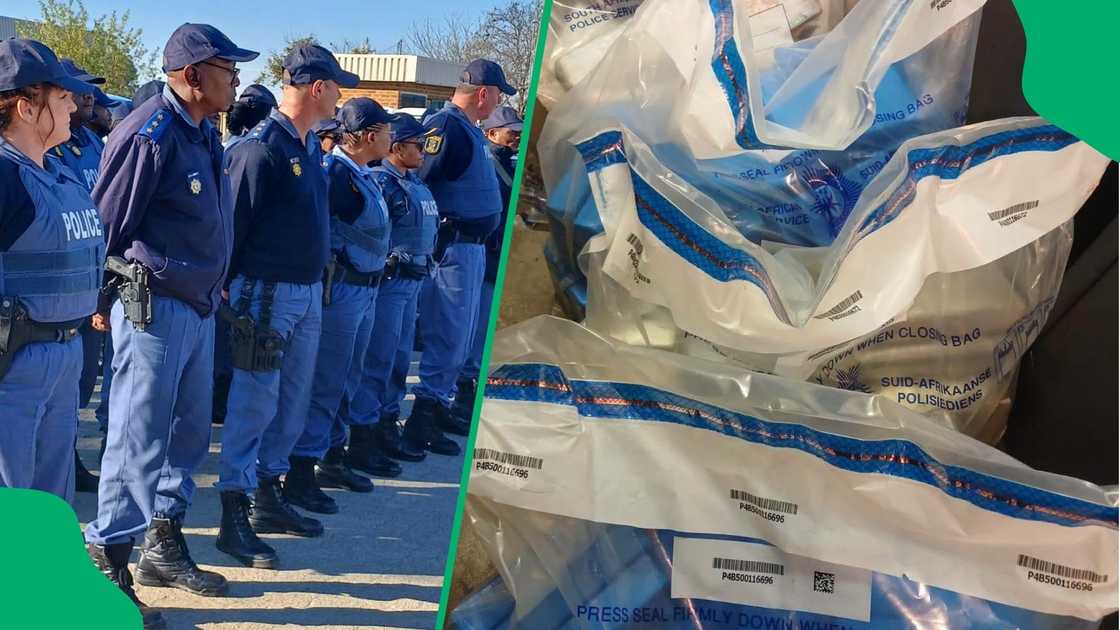
The South African Police Service has dealt another blow to organised drug trafficking after intercepting a consignment of cocaine worth an estimated R28 million at OR Tambo International Airport. According to SAnews, the operation was carried out on Friday after SAPS Crime Intelligence’s Border Integrity Unit received information about a suspected drug consignment arriving in the country. The successful seizure once again places South Africa’s busiest international airport at the centre of the fight against transnational drug networks that attempt to use aviation routes to move high-value narcotics across borders.
Police said the intelligence was immediately operationalised by members of the SAPS Visible Policing Unit at OR Tambo International Airport, working in collaboration with Customs officials and Menzies Aviation operational members. This coordinated response shows the importance of information-sharing and fast action at key ports of entry. Airports are complex environments where thousands of passengers, parcels and cargo movements take place every day, which is why successful interception depends on strong cooperation between crime intelligence, airport security, customs, aviation handlers and frontline policing teams.
The cargo had arrived on a flight from São Paulo, Brazil, and was intercepted immediately upon arrival at approximately 1pm. Police confirmed that 95 kilograms of cocaine were seized at the cargo section of OR Tambo International Airport. The large quantity and high estimated value of the drugs suggest that the consignment was not intended for casual distribution, but formed part of a wider criminal supply chain. Cocaine trafficking is often linked to highly organised syndicates that rely on international routes, false documentation, cargo concealment and local distribution networks to move drugs into and through destination countries.
The seizure is significant because OR Tambo International Airport is one of South Africa’s most important gateways to the world. It connects the country to major global travel and trade routes, making it both an economic asset and a target for criminal exploitation. Drug syndicates often seek to hide illicit goods within legitimate cargo systems, hoping that the scale and speed of airport operations will allow their consignments to pass unnoticed. The R28 million cocaine seizure shows that law enforcement agencies are actively monitoring these vulnerabilities and responding when intelligence indicates suspicious activity.
No arrests have been made at this stage, but investigations are continuing to identify and apprehend those involved in the attempted smuggling operation. This phase of the case will be crucial, because seizing drugs is only one part of disrupting organised crime. Investigators will need to follow the trail behind the consignment, including who arranged the shipment, who was expected to receive it, how it was documented, and whether local or international collaborators were involved. The real value of the operation will increase if it leads to arrests, prosecutions and the dismantling of a wider network.
The interception also highlights the role of SAPS Crime Intelligence in modern policing. Organised crime is rarely defeated by chance discoveries alone. It requires intelligence gathering, surveillance, risk profiling, cooperation with border agencies and the ability to act before drugs disappear into the distribution chain. In this case, the information received by the Border Integrity Unit helped trigger a targeted operation that prevented a major drug consignment from reaching the streets. That kind of proactive policing is essential in a country battling both local crime and international syndicate activity.
Drug trafficking carries heavy social and economic costs. While the seizure happened at an airport cargo section, the impact of cocaine distribution is eventually felt in communities, families, schools, workplaces and criminal markets. High-value drugs fuel addiction, violence, money laundering, corruption and gang-related activity. They also place pressure on healthcare systems and law enforcement agencies. Every successful seizure therefore represents more than the removal of illegal substances; it removes profit from criminal networks and disrupts the cycle of harm that follows the drug trade.
The operation comes amid a broader national law enforcement focus on organised criminal networks, including drug trafficking, illicit trade, infrastructure theft and cross-border crime. Recent SAPS operations have shown that syndicates use multiple routes and methods, from airports and harbours to road freight and border crossings. This makes multi-agency cooperation essential. Customs officials, airport operators, SAPS units, immigration authorities, private aviation service providers and international partners all form part of the security chain that protects South Africa’s borders and ports of entry.
SAPS said it remains committed to disrupting organised criminal networks involved in the illicit drug trade and will continue working with its law enforcement partners to ensure that South Africa’s borders and ports of entry are protected from criminal exploitation. This commitment is important because traffickers often adapt quickly after major seizures, changing routes, methods and couriers in an attempt to avoid detection. Sustained pressure, strong intelligence and successful prosecution are therefore needed to turn one seizure into a lasting strategic impact.


