
SACP reflects on Joe Slovo Legacy , ANC pays tribute amid ongoing struggles
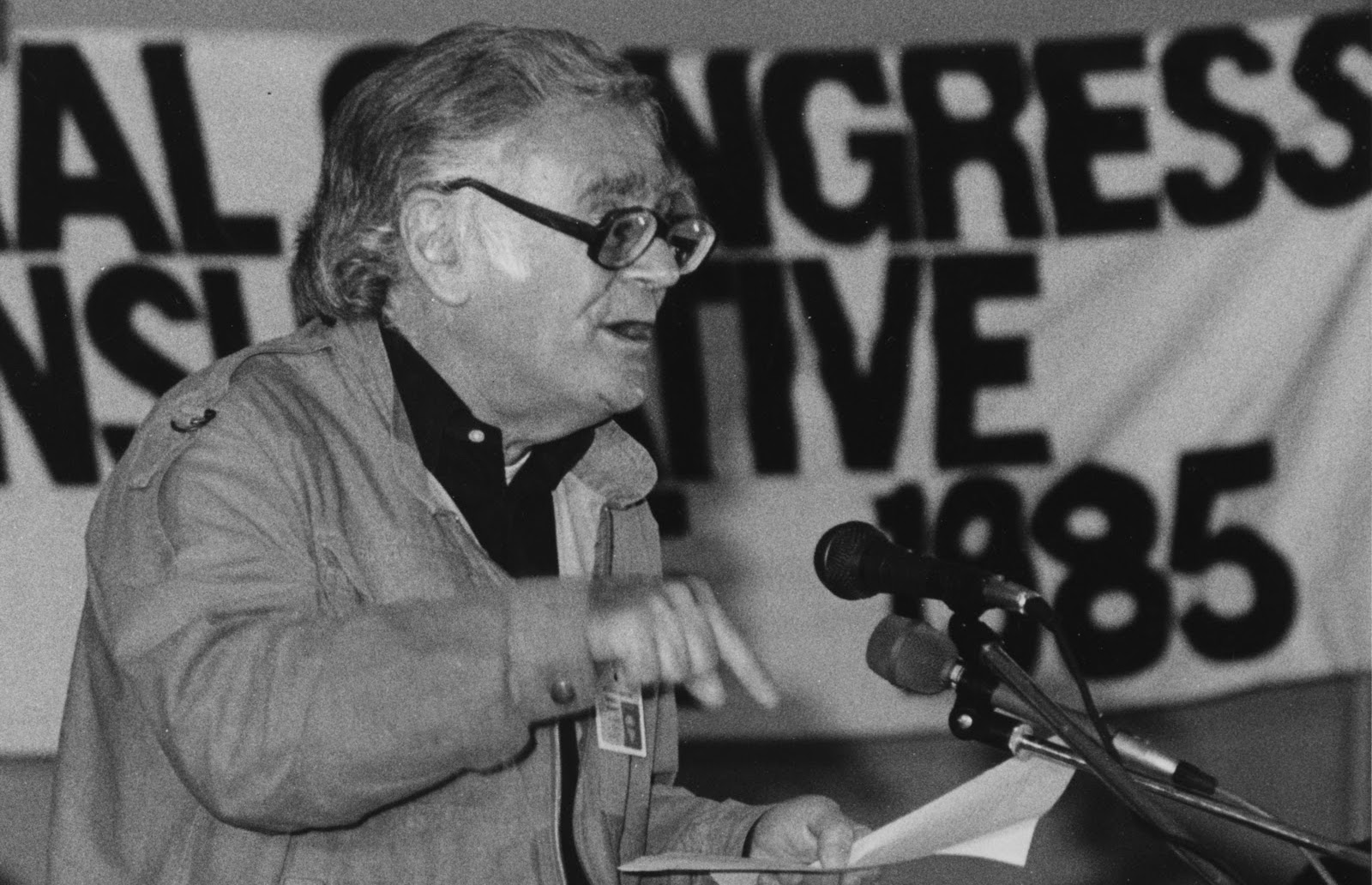
The South African Communist Party (SACP) recently commemorated 30 years since the passing of Joe Slovo, a key figure in the country’s liberation struggle, at a ceremony held at Soweto's Avalon Cemetery on Monday. Slovo, who played an instrumental role in the fight against apartheid, helped lay the foundations for South Africa’s democracy.
As a senior leader in both the SACP and the African National Congress (ANC), Slovo was also pivotal in establishing the tripartite alliance between the ANC, SACP, and trade union Cosatu, which has remained central to South Africa’s political landscape.
President Cyril Ramaphosa attended the commemoration to honour Slovo’s legacy. Reflecting on Slovo’s life and contributions, he noted that Slovo’s fight for equality and justice is ongoing, urging the nation to continue this important work.
The SACP’s commemoration occurred amidst significant political changes, as the party has decided to contest the 2026 elections independently for the first time. According to SACP spokesperson Dr. Alex Mashilo, this move does not signify a departure from the ANC alliance, but rather an assertion of the SACP’s independence within the alliance. The party aims to better represent the interests of the working class, ensuring their voices are heard and championed.
Slovo's tenure as South Africa’s first Minister of Housing was also recognised during the ceremony. His efforts to provide dignified housing for the poor are seen as a key part of his enduring legacy. The ANC paid tribute to his work, emphasizing that it challenges them to combat corruption, factionalism, and social injustice while prioritizing the needs of the people.
The event also highlighted the pressing challenges South Africa continues to face, such as high levels of poverty, unemployment, and inequality. Communities around the country still bear the scars of apartheid, underscoring the need for continued progress in addressing these issues.
As the SACP prepares for the 2026 elections and the ANC celebrates its 113th anniversary, both parties reaffirmed their commitment to the ideals that Slovo championed: building a just, equal, and dignified society for all South Africans.
The ANC further acknowledged Slovo’s significant contributions as a Marxist-Leninist, leader of the SACP, and commander of Umkhonto we Sizwe (MK). His revolutionary legacy continues to inspire the fight for equality, dignity, and justice, and serves as a reminder of the principles that guide the National Democratic Revolution.
In his remarks, Dr. Mashilo also reflected on the economic challenges facing South Africa. With over 12 million people unemployed and more than 24 million living below the international poverty line, South Africa remains one of the most unequal countries in the world. He highlighted that, according to broader poverty measures, over 50% of the country’s population struggles to make ends meet. These stark realities reflect the deep work still needed to fulfil Slovo’s vision for a fair and prosperous nation.
As a senior leader in both the SACP and the African National Congress (ANC), Slovo was also pivotal in establishing the tripartite alliance between the ANC, SACP, and trade union Cosatu, which has remained central to South Africa’s political landscape.
President Cyril Ramaphosa attended the commemoration to honour Slovo’s legacy. Reflecting on Slovo’s life and contributions, he noted that Slovo’s fight for equality and justice is ongoing, urging the nation to continue this important work.
The SACP’s commemoration occurred amidst significant political changes, as the party has decided to contest the 2026 elections independently for the first time. According to SACP spokesperson Dr. Alex Mashilo, this move does not signify a departure from the ANC alliance, but rather an assertion of the SACP’s independence within the alliance. The party aims to better represent the interests of the working class, ensuring their voices are heard and championed.
Slovo's tenure as South Africa’s first Minister of Housing was also recognised during the ceremony. His efforts to provide dignified housing for the poor are seen as a key part of his enduring legacy. The ANC paid tribute to his work, emphasizing that it challenges them to combat corruption, factionalism, and social injustice while prioritizing the needs of the people.
The event also highlighted the pressing challenges South Africa continues to face, such as high levels of poverty, unemployment, and inequality. Communities around the country still bear the scars of apartheid, underscoring the need for continued progress in addressing these issues.
As the SACP prepares for the 2026 elections and the ANC celebrates its 113th anniversary, both parties reaffirmed their commitment to the ideals that Slovo championed: building a just, equal, and dignified society for all South Africans.
The ANC further acknowledged Slovo’s significant contributions as a Marxist-Leninist, leader of the SACP, and commander of Umkhonto we Sizwe (MK). His revolutionary legacy continues to inspire the fight for equality, dignity, and justice, and serves as a reminder of the principles that guide the National Democratic Revolution.
In his remarks, Dr. Mashilo also reflected on the economic challenges facing South Africa. With over 12 million people unemployed and more than 24 million living below the international poverty line, South Africa remains one of the most unequal countries in the world. He highlighted that, according to broader poverty measures, over 50% of the country’s population struggles to make ends meet. These stark realities reflect the deep work still needed to fulfil Slovo’s vision for a fair and prosperous nation.


