
Ramaphosa to Lead Youth Day Commemoration as South Africa Marks 50 Years Since the 1976 Uprising
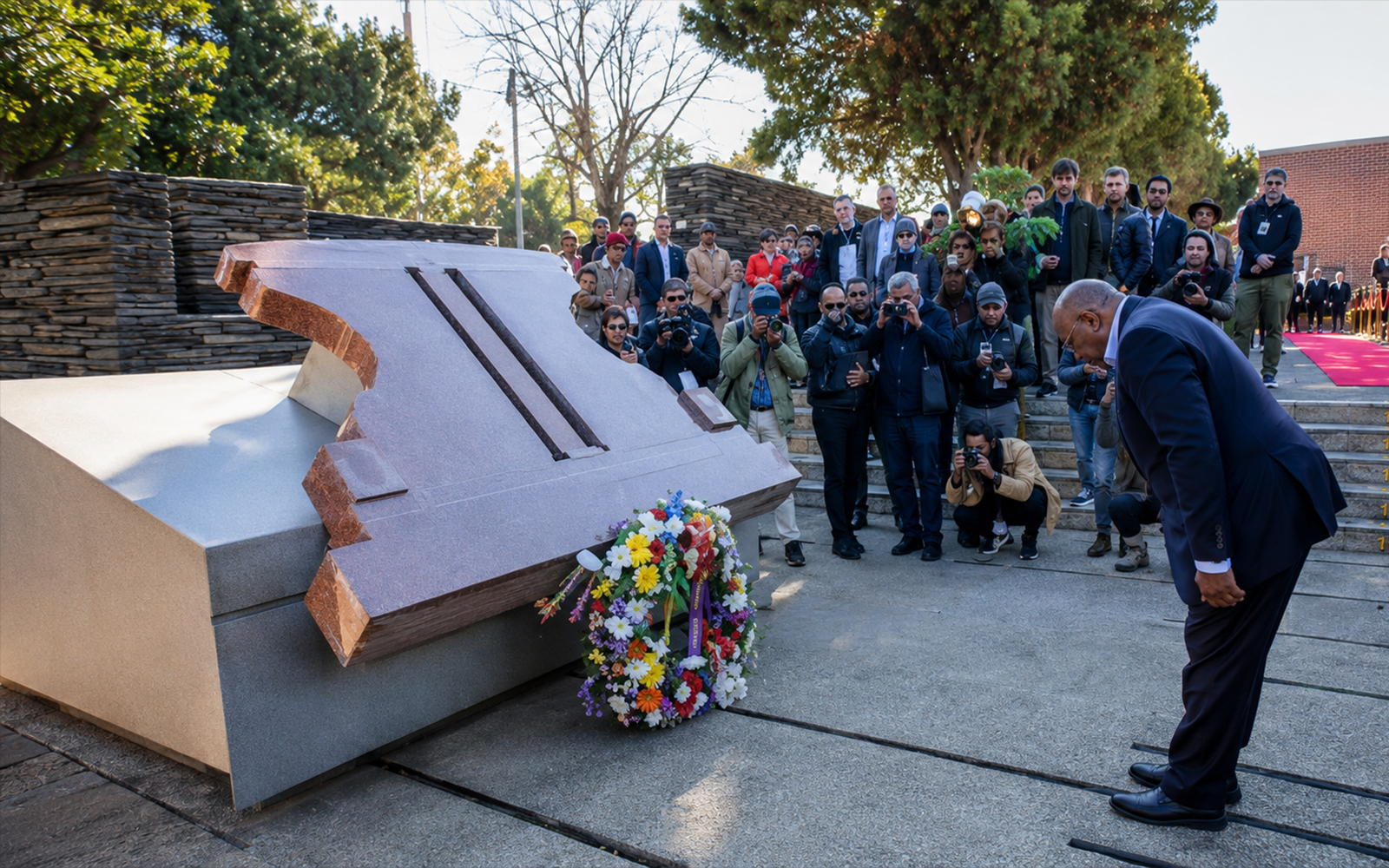
President Cyril Ramaphosa is expected to lead South Africa's National Youth Day Commemoration at the FNB Premium Parking precinct in Nasrec, Johannesburg, on Tuesday, 16 June 2026, as the country marks the 50th anniversary of the 1976 Youth Uprising. This year's commemoration carries special national significance, remembering the courage, sacrifice and resilience of the young people who stood up against apartheid injustice and helped shape the path toward a free and democratic South Africa. The Presidency said the event will honour the generation of 1976 while also calling today's youth to take responsibility for shaping the future through education, active citizenship, innovation, work and social participation. The President is scheduled to deliver the keynote address at the precinct adjacent to FNB Stadium, placing the national ceremony in one of Gauteng's most recognisable public gathering spaces. The 2026 Youth Day programme will be held under the theme "RESET @50 - Our National Commitment to the Future for Freedom Lives in Every Generation." The theme reflects a deliberate attempt to connect the memory of 1976 with the urgent realities facing young South Africans today. While the youth of 1976 fought against the oppression of apartheid education and racial injustice, today's generation faces a different but equally serious set of challenges, including unemployment, inequality, poverty, skills gaps, social exclusion, gender-based violence, digital access barriers and limited economic opportunity. The commemoration is therefore expected to move beyond remembrance and place renewed focus on what freedom must mean in practical terms for young people in 2026. For government, Youth Day is also a moment to reflect on whether the democratic state is doing enough to unlock youth potential. The 50-year milestone gives the country an opportunity to assess progress in education, training, entrepreneurship, employment programmes and civic participation, while also acknowledging that many young people still feel excluded from the promise of democracy. Ramaphosa's address is expected to speak directly to this gap between historical freedom and economic freedom, urging young people to become active participants in rebuilding communities, strengthening democracy and driving national development. In this sense, the event is not only a ceremonial tribute to the past, but a call to build a future where youth energy is matched by real opportunity.The significance of the commemoration lies in its intergenerational message. The youth of 1976 changed history through courage and collective action; the youth of today are being called to shape South Africa through skills, leadership, innovation, entrepreneurship and active citizenship. As the country gathers at Nasrec, the central message is likely to be that freedom must be renewed by every generation. Honouring the past means more than remembering those who marched; it means ensuring that young people today can access quality education, enter the economy, build businesses, participate in democracy and live with dignity. The 2026 Youth Day commemoration therefore stands as both a tribute and a challenge: South Africa must remember the bravery of 1976 while building a country where the next generation can turn freedom into progress.


