
Ramaphosa to Lead Milestones of Freedom Campaign as South Africa Reflects on Past Struggles and Future Delivery
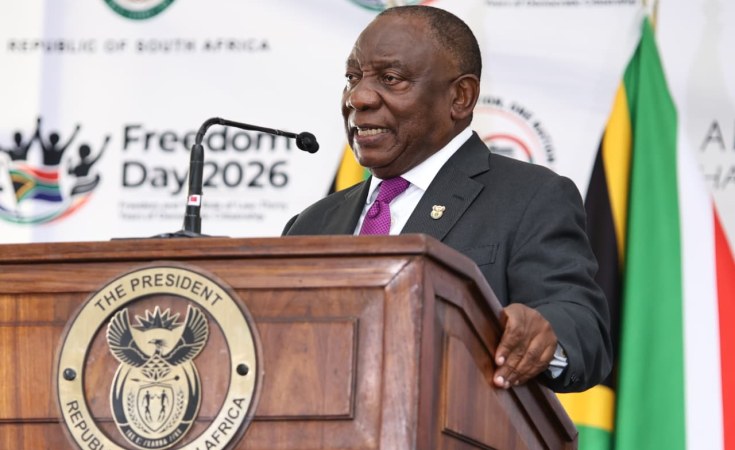
President Cyril Ramaphosa is expected to lead the launch of the Milestones of Freedom campaign at the Union Buildings in Tshwane on Thursday, 18 June 2026, in a national programme designed to reflect on South Africa's journey from oppression to democracy while renewing government's focus on delivery, unity and a capable state. The campaign is being held under the theme "Honouring the Past. Delivering the Future", placing equal emphasis on remembrance and action. According to the Presidency, the programme will commemorate key milestones in South Africa's democratic journey while also strengthening service delivery and promoting social cohesion. Leaders from government, business, youth movements and civil society are expected to attend the launch, which will highlight major moments in the country's history and connect them to the work still required to build a fairer and more inclusive society.
The significance of the campaign lies in its timing. South Africa is marking several major historical milestones, including 50 years since the 1976 Youth Uprising, 70 years since the 1956 Women's March, and 30 years since the adoption of the democratic Constitution. These anniversaries are not only ceremonial dates; they are reminders of the courage, sacrifice and civic action that shaped the country's democratic foundation. The Union Buildings setting adds symbolic weight, representing both the seat of executive authority and a national landmark associated with the democratic transition. By placing the campaign there, government is presenting the programme as a bridge between history and responsibility: the freedoms won through struggle must now be defended through active citizenship, accountable leadership and practical improvements in people's lives.
The Presidency has framed the Milestones of Freedom campaign as a way to strengthen national reflection while focusing attention on the interventions government has made to build a capable state. This is important because public memory alone cannot answer the daily concerns facing communities, including unemployment, poverty, service delivery failures, inequality, weak local government and social division. The campaign therefore appears aimed at turning historical remembrance into a renewed national commitment to delivery. It asks a direct question of the present generation: how should the sacrifices of those who fought for freedom be honoured in a country still working to overcome the social and economic legacy of apartheid?
The presence of leaders from business, youth formations and civil society also suggests that the campaign is intended to be wider than a government event. South Africa's democratic journey was built through collective action, and the challenges facing the country today also require cooperation beyond the state. Business has a role in investment, job creation and skills development. Youth movements have a role in civic participation, innovation and holding institutions accountable. Civil society has a role in protecting rights, building social cohesion and keeping public life rooted in community needs. The campaign's message is that freedom is not only something inherited; it is something each generation must actively build, protect and renew.
At its core, the Milestones of Freedom campaign is about linking memory with delivery. It honours the past by recognising the struggles that made democracy possible, but it also points toward the future by insisting that democratic freedom must be felt in homes, schools, clinics, workplaces and communities. For many South Africans, the measure of freedom is not only the right to vote or speak, but whether they have access to reliable services, decent work, safe communities and opportunities for their children. Ramaphosa's leadership of the campaign is therefore expected to place national history in conversation with present-day priorities, reminding the country that the promise of freedom remains unfinished unless it produces dignity, inclusion and visible progress for all.


