
Professor Raniga Honoured for Advancing Gender Justice and Social Welfare Research
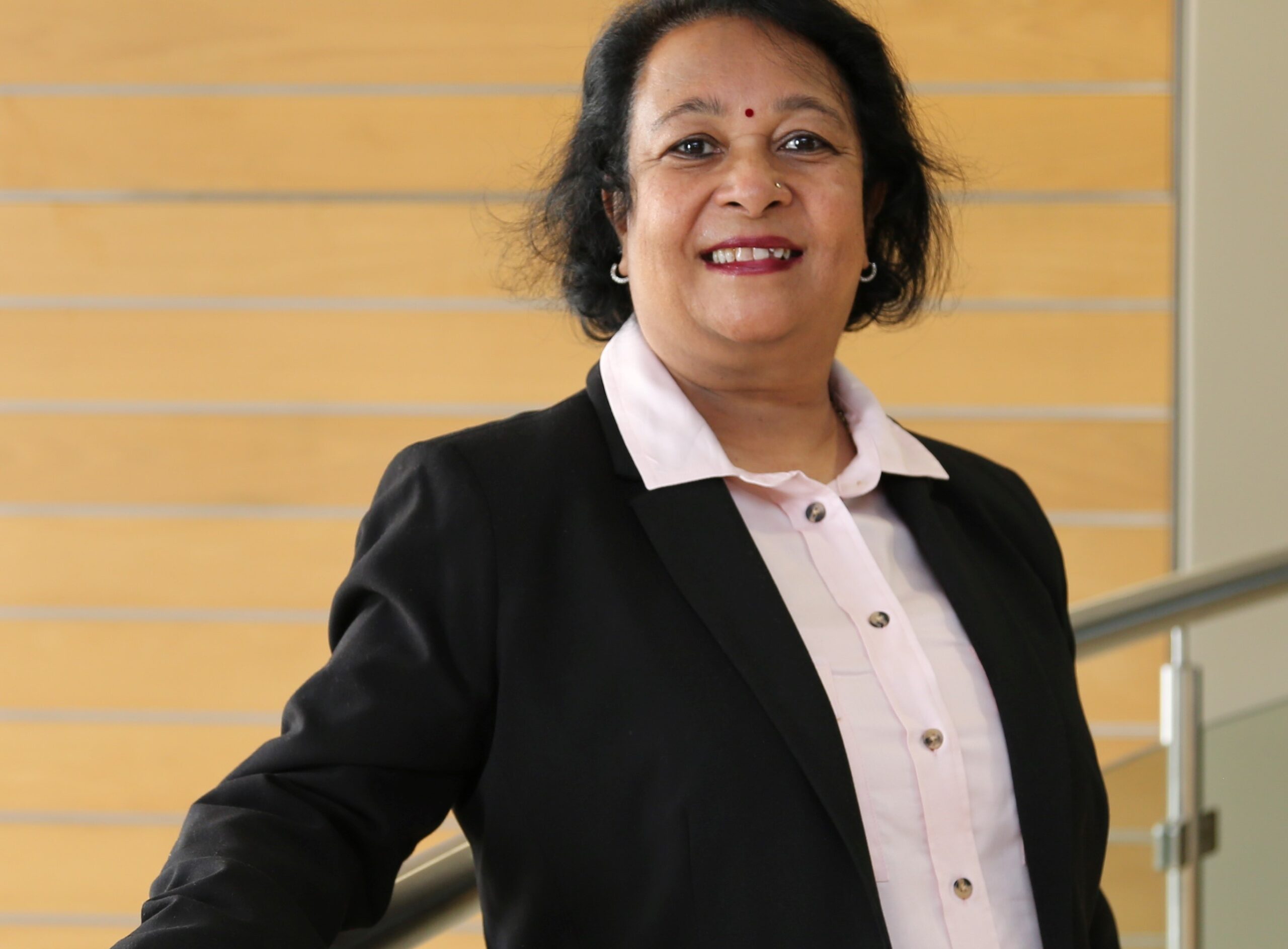
Professor Tanusha Raniga has been honoured for her contribution to gender justice, social welfare and research that speaks directly to the lived realities of vulnerable communities in South Africa. Her recognition forms part of the 2026 South African Women in Science Awards, a national platform that celebrates women whose work in science, research and innovation is helping to shape a more equal, informed and socially responsive country. According to SAnews, the awards were held under the theme “Placing Women at the Centre of Science, Technology and Innovation”, reinforcing the importance of women’s leadership in research that improves society.
Professor Raniga’s work stands out because it places people, families and communities at the centre of academic inquiry. In a country still shaped by inequality, poverty, unemployment, gender-based violence and uneven access to opportunity, social welfare research is not only about theory. It is about understanding how policies affect real households, how women experience economic and social pressure, and how systems can be improved to protect dignity and expand justice. Her recognition reflects the value of research that does not remain locked inside universities, but helps guide public debate and social development practice.
The honour also comes during Women’s Month, a period that carries deep historical and emotional meaning in South Africa. In 2026, the country commemorates the 70th anniversary of the historic 1956 Women’s March to the Union Buildings, where thousands of women stood against apartheid pass laws. Within this context, recognising women researchers such as Professor Raniga connects the courage of past generations with the intellectual leadership of women today. It shows that the struggle for equality continues not only in streets and institutions, but also through knowledge, evidence and policy influence.
Gender justice remains one of South Africa’s most urgent development priorities. Women continue to carry a disproportionate burden of poverty, unpaid care work, violence, economic exclusion and limited access to resources. Research in this field helps reveal the patterns behind these inequalities and provides evidence for stronger interventions. By focusing on social welfare and gender justice, Professor Raniga’s work contributes to the broader national effort to build systems that are more responsive to women, children, families and marginalised communities.
The South African Women in Science Awards are important because they challenge the outdated idea that science belongs only to laboratories, machines or technical fields. Science also includes social research, public policy, community development, health systems, social work, education and the study of human wellbeing. Professor Raniga’s recognition reminds the country that evidence-based social research can be just as transformative as technological innovation. It can shape welfare policy, improve service delivery, strengthen community programmes and help government understand where support is most urgently needed.
The Department of Science, Technology and Innovation has used the awards to strengthen the visibility of women researchers and inspire more young women and girls to enter science, technology and innovation careers. SAnews reported that the 2026 awards introduced a renewed look and stronger public platform, designed to highlight research excellence and mentorship. This matters because visibility can change aspiration. When young women see researchers being recognised nationally, they can imagine themselves as scholars, scientists, social innovators and leaders in fields that once seemed distant or inaccessible.
Professor Raniga’s achievement also speaks to the role of universities in addressing social problems. Academic institutions are not separate from society; they are part of the country’s development ecosystem. Through research, teaching and community engagement, universities can help identify what works, where policy is failing and how interventions can be improved. Social welfare research is especially important because it helps bridge the gap between national policy and the lived experiences of people who depend on social protection, family support, community services and gender justice programmes.
Her recognition comes at a time when South Africa is calling for stronger action against gender inequality and gender-based violence. Government and civil society have repeatedly emphasised that gender justice must involve prevention, accountability, survivor support and economic empowerment. Research contributes to this work by producing evidence that can guide better decisions. It helps answer difficult questions about why violence persists, how poverty deepens vulnerability, how households cope with crisis, and what forms of support can help women and families rebuild their lives.
The honour also highlights the importance of interdisciplinary work. Gender justice and social welfare cannot be understood through one lens alone. They require insight from sociology, social work, economics, public health, psychology, law, education and policy studies. Researchers such as Professor Raniga help connect these fields in ways that make social challenges clearer and solutions more practical. This kind of work is essential in a country where complex problems require coordinated, evidence-based responses.


