
Leave the Seals Alone! Public Warned About Harassment of Cape Fur Seals
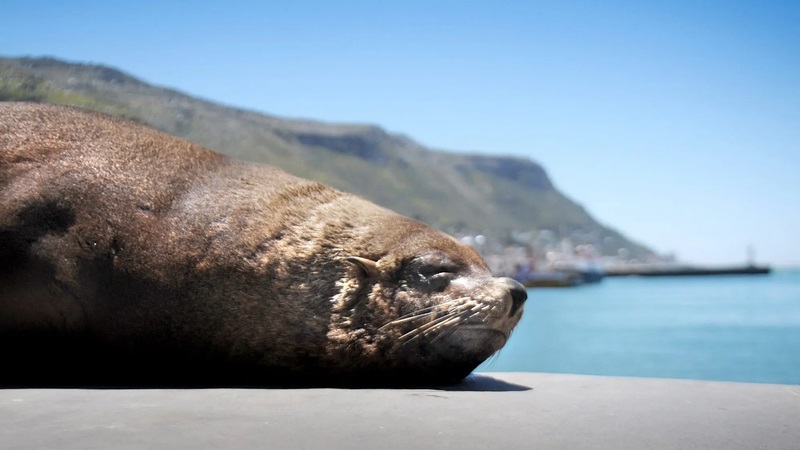
The Department of Forestry, Fisheries and the Environment (DFFE) has issued a stern warning to the public to leash their dogs and avoid disturbing Cape fur seals along the coast. This comes amidst a concerning increase in harassment incidents involving the protected species.
The DFFE emphasized that allowing dogs to approach or attack seals is not only criminal but also poses a risk of rabies transmission if a dog is bitten. The department highlighted that Cape fur seals have been under threat since rabies was detected in their population earlier this year.
Recent harassment incidents include allowing dogs to attack resting seals, throwing stones at them, teasing seals for social media or photo opportunities, and even hitting or feeding seals for financial gain.
Dr. Pete Vincent of Netcare Medicross Tokai previously noted that seal bites were once considered low risk for rabies, but recent developments underline the importance of seeking post-exposure prophylaxis and antibiotics if bitten, as recommended by the National Institute of Communicable Diseases (NICD).
The DFFE warned that seals found alone, weak, unwell, or aggressive, and not displaying their usual flee response, could potentially carry the rabies virus. In such cases, the public is urged to maintain a distance of at least 15 meters and notify the authorities immediately.
Rehabilitation and medical care measures are in place for seals that may require assistance, including handling suspected rabies cases.
To report any concerns, contact the following:
- DFFE: 0800 205 005
- SPCA: 021 700 4158/9
- City of Cape Town: 021 480 7700
The DFFE emphasized that allowing dogs to approach or attack seals is not only criminal but also poses a risk of rabies transmission if a dog is bitten. The department highlighted that Cape fur seals have been under threat since rabies was detected in their population earlier this year.
Recent harassment incidents include allowing dogs to attack resting seals, throwing stones at them, teasing seals for social media or photo opportunities, and even hitting or feeding seals for financial gain.
Dr. Pete Vincent of Netcare Medicross Tokai previously noted that seal bites were once considered low risk for rabies, but recent developments underline the importance of seeking post-exposure prophylaxis and antibiotics if bitten, as recommended by the National Institute of Communicable Diseases (NICD).
The DFFE warned that seals found alone, weak, unwell, or aggressive, and not displaying their usual flee response, could potentially carry the rabies virus. In such cases, the public is urged to maintain a distance of at least 15 meters and notify the authorities immediately.
Rehabilitation and medical care measures are in place for seals that may require assistance, including handling suspected rabies cases.
To report any concerns, contact the following:
- DFFE: 0800 205 005
- SPCA: 021 700 4158/9
- City of Cape Town: 021 480 7700


