
KZN Workers Parliament Sets Job Creation and Inclusive Growth at the Centre of Provincial Recovery
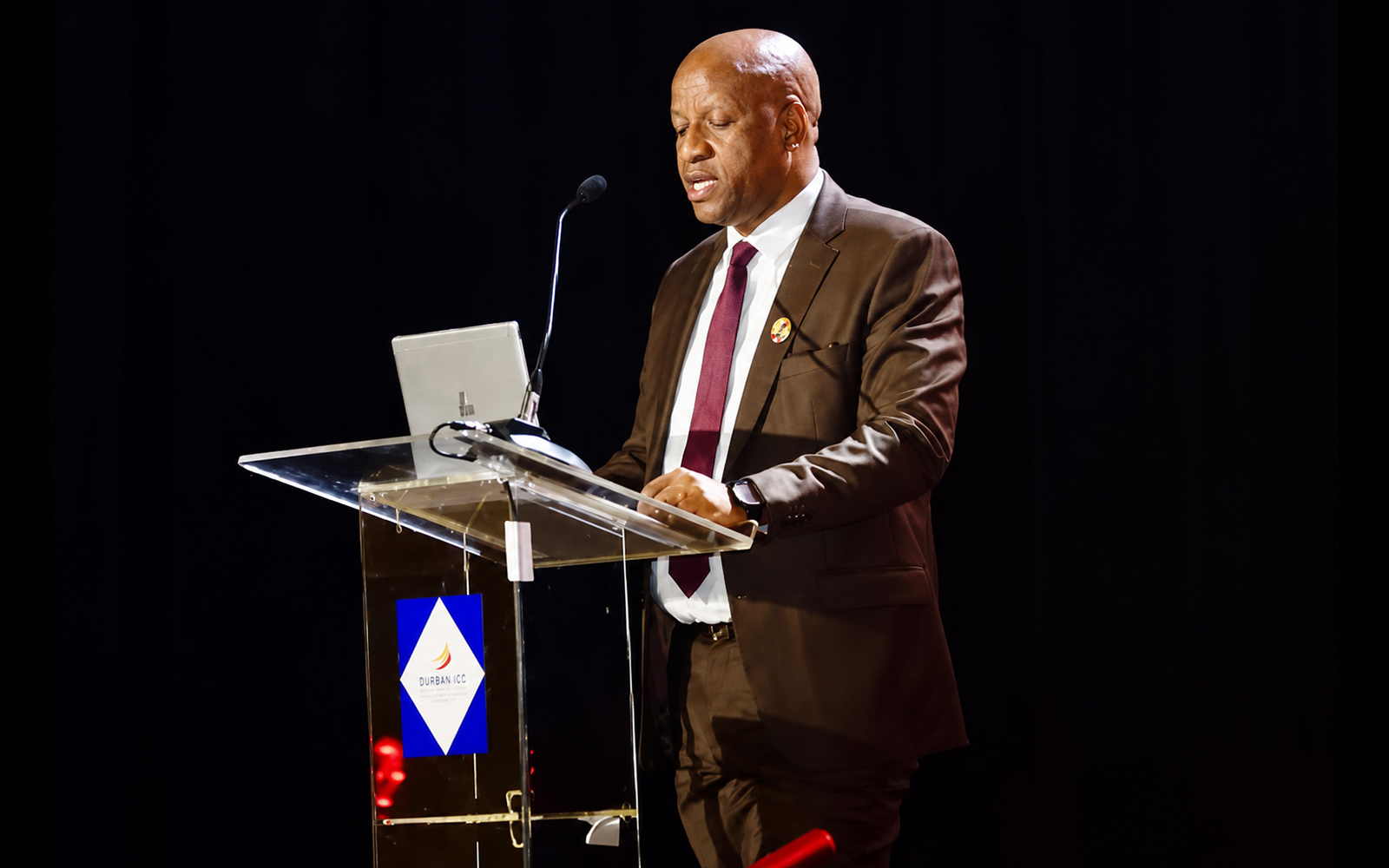
KwaZulu-Natal Premier Thamsanqa Ntuli has tabled the resolutions adopted at the provincial Workers' Parliament, positioning the gathering as a practical step toward confronting unemployment, protecting workers' rights and building a more inclusive provincial economy. The Workers' Parliament was held at the Greytown Civic Centre in the uMvoti Local Municipality, under the uMzinyathi District Municipality, on Friday, 29 May 2026, bringing together representatives from government, organised labour, workers' formations and other key stakeholders to discuss the realities facing workers and communities across the province. The sitting took place against a difficult national labour market backdrop, with Statistics South Africa reporting unemployment at 32.7%, leaving an estimated 8.1 million South Africans without work, while youth unemployment remains a major concern at 45.8% among people aged 15 to 34. Premier Ntuli acknowledged the depth of the crisis, noting that unemployment does not only affect household income, but also weakens communities, slows local economic growth and deepens social pressure in areas already facing poverty and inequality. However, he also pointed to encouraging signs in KwaZulu-Natal, where the province recorded the creation of more than 6 000 new jobs, contributing to a decline in the provincial unemployment rate from 32.3% to 31.2%. According to Ntuli, this progress is linked to targeted government interventions aimed at stimulating investment, supporting industrial development and expanding job opportunities across strategic sectors of the provincial economy. The Workers' Parliament placed strong emphasis on the need for government, labour, business and civil society to work together rather than treating unemployment as a challenge that can be solved by one sector alone. The resolutions adopted are expected to help shape more responsive policies and programmes that promote decent work, protect workers' rights and strengthen economic participation, especially among young people, women, vulnerable workers and communities that remain excluded from meaningful employment opportunities. For KwaZulu-Natal, the message is clear: job creation must be linked to dignity, skills, investment and fair labour practices, ensuring that economic growth is not only measured in numbers, but in whether families can build stable livelihoods and workers can participate in the province's recovery with security and purpose.


