
Joburg Settles R5.25 Billion Eskom Debt, Marking a Major Step Toward Financial Stability
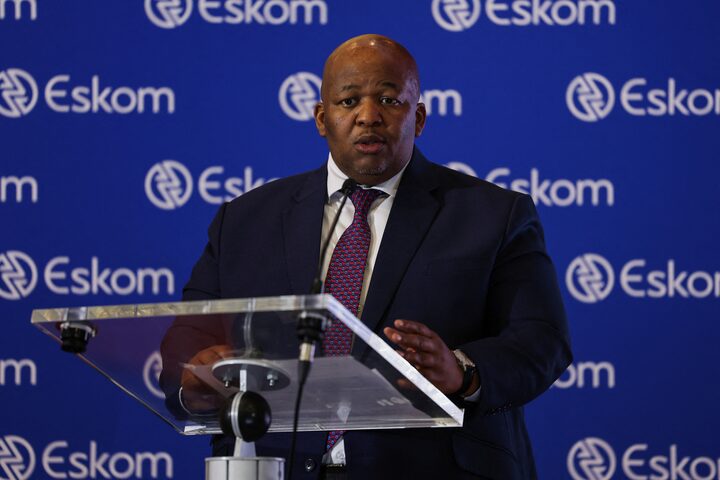
The City of Johannesburg and City Power have fully settled an outstanding electricity debt of approximately R5.25 billion owed to Eskom, bringing a long-running billing dispute to a close and easing concerns about possible disruptions to power supply in South Africa’s largest metro. According to SAnews-linked reporting, the Department of Electricity and Energy and the City of Johannesburg confirmed that Eskom had received the final payment, settling accumulated overdue debt of R5 255 421 994.16. The settlement follows a mediation process led by Electricity and Energy Minister Dr Kgosientsho Ramokgopa, who brought the city, City Power and Eskom together to resolve the dispute.
The payment is significant because Johannesburg is the country’s economic engine, home to major businesses, financial institutions, industrial activity, residential communities and public infrastructure that depend on reliable electricity. A prolonged dispute between the metro and Eskom created uncertainty for residents and businesses, especially after Eskom initiated a Promotion of Administrative Justice Act process in May 2026 over the outstanding arrears. With the debt now settled, Eskom has withdrawn that legal process, removing an immediate source of tension between the power utility and the city.
Minister Ramokgopa welcomed the resolution, saying the matter had reached a definitive conclusion and demonstrated the effectiveness of the intergovernmental relations model used to resolve the dispute. This model is important because the electricity crisis is not only a technical problem; it is also a governance and finance problem involving national utilities, municipalities, local distributors and paying customers. By using structured dialogue rather than allowing the dispute to escalate further, government was able to protect electricity supply while addressing Eskom’s need to recover money owed to it.
For Eskom, the settlement improves revenue recovery from one of its biggest municipal customers and strengthens the utility’s ability to plan, maintain infrastructure and stabilise its finances. Municipal debt has long placed pressure on Eskom’s balance sheet, making it harder for the utility to manage operational costs, invest in maintenance and support a more reliable electricity system. When municipalities do not pay Eskom, the burden does not disappear; it shifts into a wider national electricity crisis that eventually affects households, businesses and public finances.
For the City of Johannesburg, settling the debt is a major financial governance milestone. Executive Mayor Dada Morero said the settlement demonstrates the city’s commitment to honouring its obligations while protecting residents and businesses from disruptions to electricity supply. He also said the city remains committed to keeping future Eskom accounts up to date, reducing electricity losses caused by theft and vandalism, investing in critical electricity infrastructure and working closely with Eskom to build a more reliable and sustainable energy future for Johannesburg.
The settlement also places renewed focus on City Power’s financial and operational challenges. Paying off the overdue Eskom debt is a major achievement, but it does not automatically fix the deeper issues affecting electricity distribution in the metro. Johannesburg still faces pressure from illegal connections, cable theft, vandalism, ageing infrastructure, billing weaknesses, non-payment and high technical and commercial losses. These problems reduce revenue and increase repair costs, making it difficult for the city to maintain a financially sustainable electricity service.
Residents and businesses will now expect the settlement to translate into greater stability and fewer threats of supply interruption linked to municipal arrears. However, reliable electricity depends on more than settling historic debt. It requires ongoing payment discipline, infrastructure investment, stronger revenue collection, improved maintenance, faster fault response and action against electricity theft. The city must now prove that this settlement is not a once-off rescue, but the beginning of a more disciplined and accountable electricity management system.
The agreement also has wider lessons for other municipalities. Across South Africa, municipal arrears to Eskom remain a serious national challenge, with many local authorities struggling to collect revenue from residents and businesses while also meeting their obligations to the power utility. Johannesburg’s settlement shows that structured mediation, political will and financial commitment can resolve even large disputes. But it also highlights the cost of allowing arrears to accumulate until they become a threat to service delivery and institutional credibility.


