
IMC Says Over 40 000 Illegal Foreign Nationals Arrested as Government Tightens Migration Management
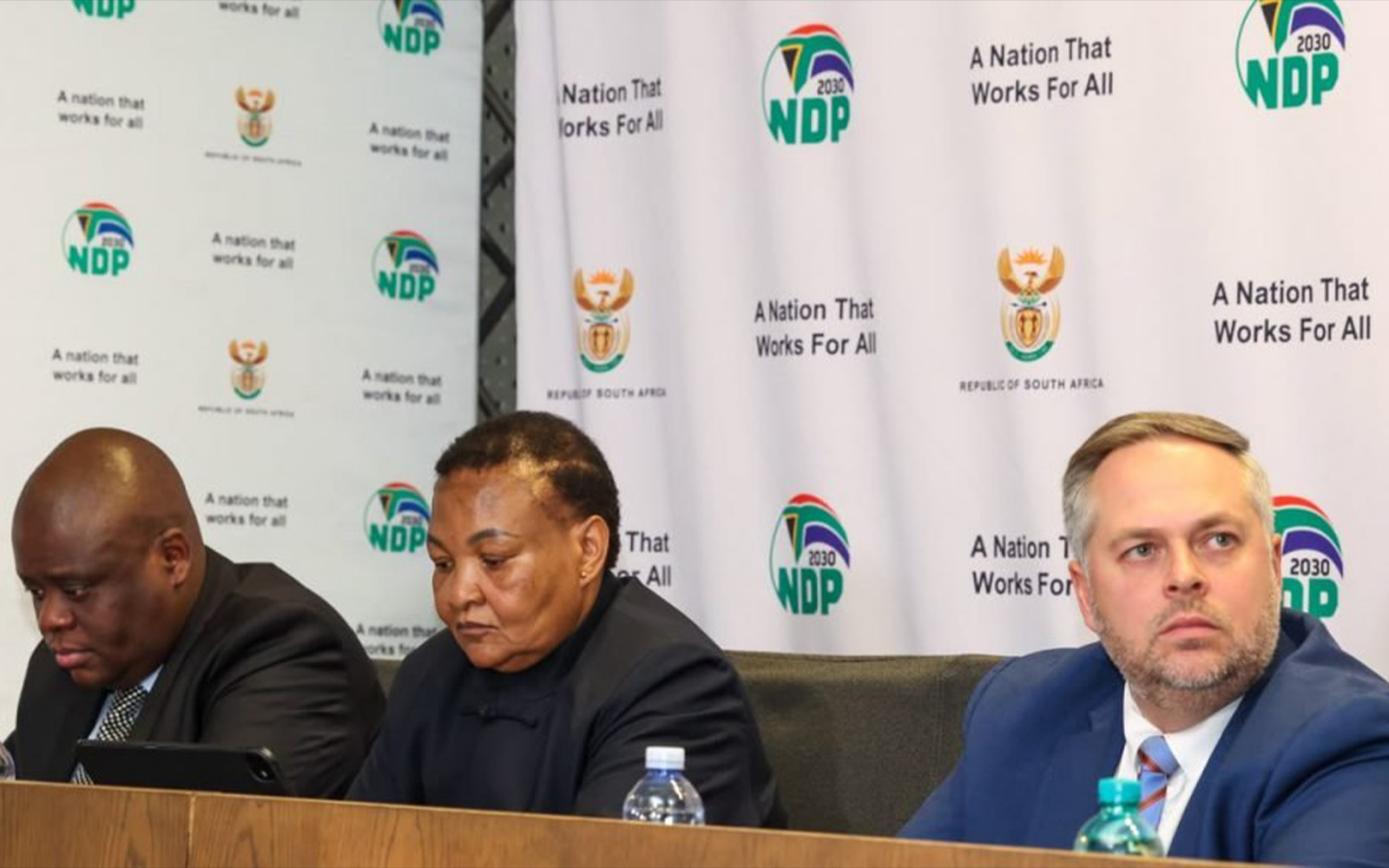
The Inter-Ministerial Committee on Migration says more than 40 000 illegal foreign nationals have been arrested since the beginning of 2026, as government intensifies efforts to strengthen border security, enforce immigration laws and bring greater coordination to South Africa's migration system. The figures were released during an IMC media briefing on Sunday, 14 June 2026, where government confirmed that more than 7 400 arrests were made in the past month alone. The committee was established by President Cyril Ramaphosa to coordinate the state's response to migration challenges and oversee the implementation of interventions outlined in his national address on 7 June 2026. Led by Justice and Constitutional Development Minister Mmamoloko Kubayi, the IMC includes departments such as Home Affairs, Small Business Development, Defence, International Relations and Cooperation, Employment and Labour, Basic Education, Higher Education and Training, and the South African Police Service, with Transport, Trade, Industry and Competition, and Social Development also requested to be added. Government says the arrests form part of a broader Comprehensive Approach for Migration Management, which aims to address illegal immigration where it occurs while improving the systems that regulate lawful migration. The plan is not limited to policing; it includes improved border infrastructure, stronger law enforcement coordination, access to social services, registration of small businesses and informal traders, review of asylum and refugee procedures, data integration and communication with affected stakeholders. Technical workstreams have been established to focus on law enforcement, border management, legal and regulatory matters, economic sectors, humanitarian welfare, social sectors, international relations, systems development and public communication. According to the IMC, progress will be monitored through weekly meetings, reports from workstream champions and oversight visits where needed, with government promising transparency and public accountability. The announcement comes at a time when public concern around illegal immigration has grown across several communities, especially where residents believe undocumented migration places pressure on jobs, public services, informal trade, housing, healthcare, schools and local safety. Kubayi acknowledged that government is aware of these concerns, but stressed that all responses must remain lawful, peaceful and constitutional. She warned against violence, lawlessness and the spread of misinformation, saying manipulated videos and false narratives on social media have contributed to tension in some areas and risk fuelling attacks against foreign nationals. Government has urged citizens who wish to protest to exercise their constitutional rights responsibly, while allowing trained law enforcement agencies to carry out immigration enforcement functions. The IMC also indicated that migration management will require cooperation beyond enforcement. Government plans to continue stakeholder engagements, including discussions with Chapter 9 and Chapter 10 institutions, traditional and Khoi-San leaders, protest organisers and other affected groups. These engagements are intended to explain government's migration strategy, receive feedback and reduce the risk of communities taking the law into their own hands. The committee also linked South Africa's migration response to regional cooperation, noting that immigration challenges must be handled through lawful, constitutional and humanitarian measures while protecting national security and maintaining relations with neighbouring and partner countries. In a related development, government has welcomed cooperation from several African countries, including Nigeria, Ghana and Malawi, in facilitating the safe, orderly and voluntary repatriation of their citizens from South Africa. The scale of the arrests signals that government is moving into a more active phase of immigration enforcement, but the real test will be whether the plan produces a system that is both firm and fair. South Africa must secure its borders, deal with undocumented migration and act against employers or networks that exploit vulnerable people, but it must also protect the rule of law and avoid turning legitimate public frustration into social conflict. The IMC's message is that migration management cannot be solved by one department or through arrests alone; it requires coordinated policing, stronger Home Affairs systems, border reform, labour enforcement, community engagement and regional diplomacy. If implemented consistently, the plan could help restore confidence in the immigration system while ensuring that enforcement remains lawful, humane and accountable.


