
Home Affairs Confirms Repatriation of Nigerian Nationals as Immigration Enforcement Intensifies
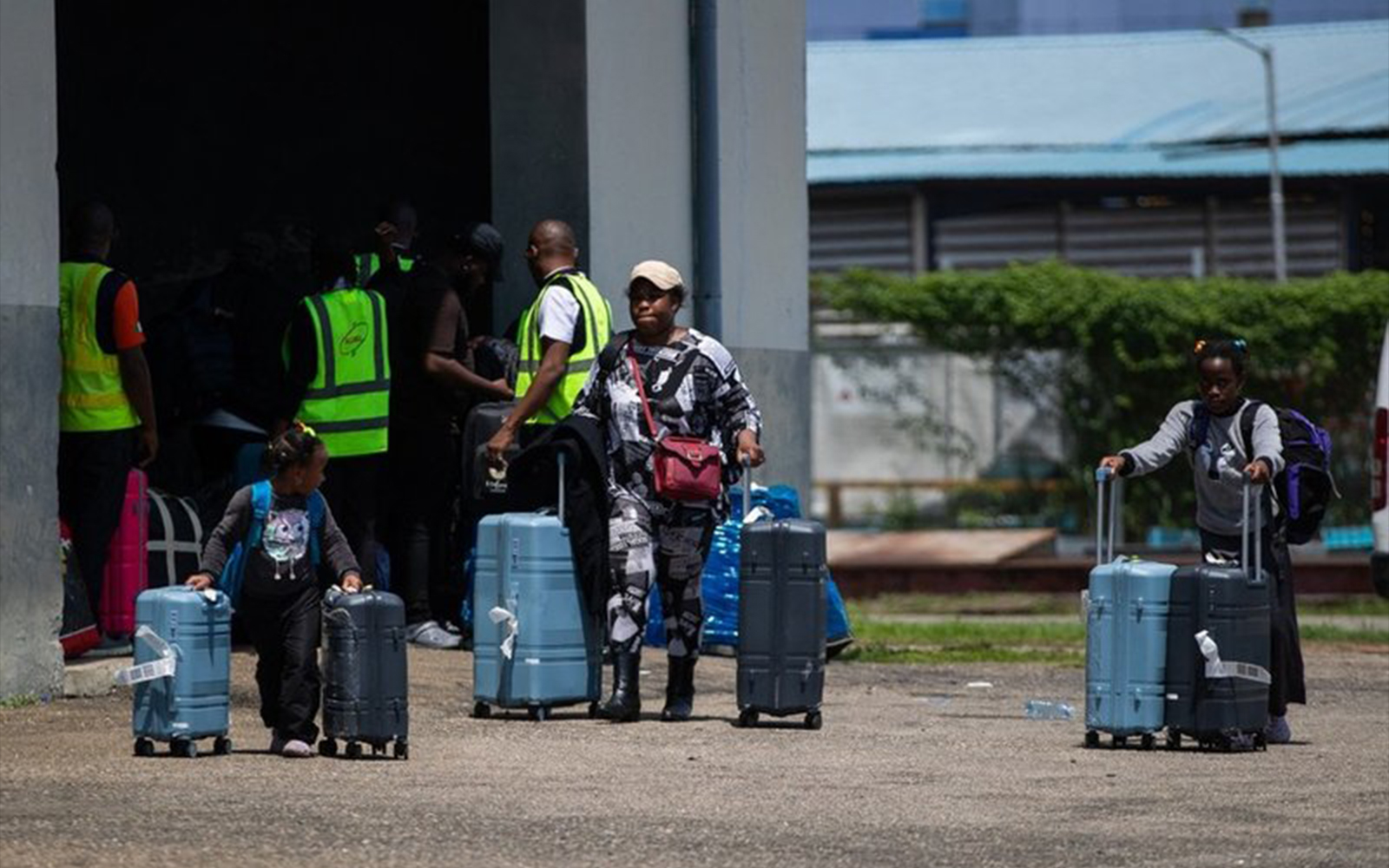
The Department of Home Affairs has confirmed that 586 Nigerian nationals have been processed for repatriation after being found to be residing in South Africa illegally, marking another major step in government's wider campaign to enforce immigration laws and restore administrative control over unlawful migration. According to the department, the first repatriation flight departed on Thursday morning, 11 June 2026, carrying 268 passengers, while a second flight is scheduled to depart on Monday, 15 June 2026, to transport the remaining individuals from the group. All affected persons were issued with Emergency Travel Documents by the Nigerian High Commission, enabling their lawful departure from South Africa and return to Nigeria. Home Affairs said the individuals have also been declared undesirable persons in terms of the Immigration Act and are prohibited from re-entering South Africa for five years. The department acknowledged the cooperation of the Nigerian High Commission throughout the documentation and repatriation process, describing the operation as part of an orderly, lawful and coordinated approach to immigration enforcement. Home Affairs also reminded all foreign nationals living in South Africa that they are required to possess valid visas, permits or other legal authorisations that allow them to remain in the country. The department urged those whose documents have expired or whose status is uncertain to regularise their stay through proper legal channels, stressing that compliance with immigration law is not optional. Home Affairs Minister Dr Leon Schreiber said the department remains firmly committed to enforcing South Africa's immigration laws and restoring the rule of law in the migration system. He said ongoing deportations and repatriations have increased by 46% over the past two years, which government views as evidence of a more active and structured enforcement approach. The latest repatriation follows growing national focus on illegal immigration, border management, workplace compliance and the need for stronger cooperation between Home Affairs, foreign missions, law enforcement agencies and the Border Management Authority. The significance of the repatriation extends beyond the movement of one group of people. It reflects a larger shift in how South Africa is trying to manage immigration: through documentation, legal processing, diplomatic coordination and enforcement rather than informal or unlawful responses. At the same time, the issue remains sensitive because immigration enforcement must balance sovereignty, public concern, community stability and human dignity. Government's message is clear: foreign nationals who live, work or study in South Africa must do so lawfully, while the state must ensure that removals are handled through proper legal procedures. If sustained, this approach could strengthen public confidence in the immigration system, reduce administrative backlogs and send a clear signal that South Africa intends to manage migration through the rule of law.


