
From a Painful History to a Prosperous Future: Government Launches Milestones of Freedom
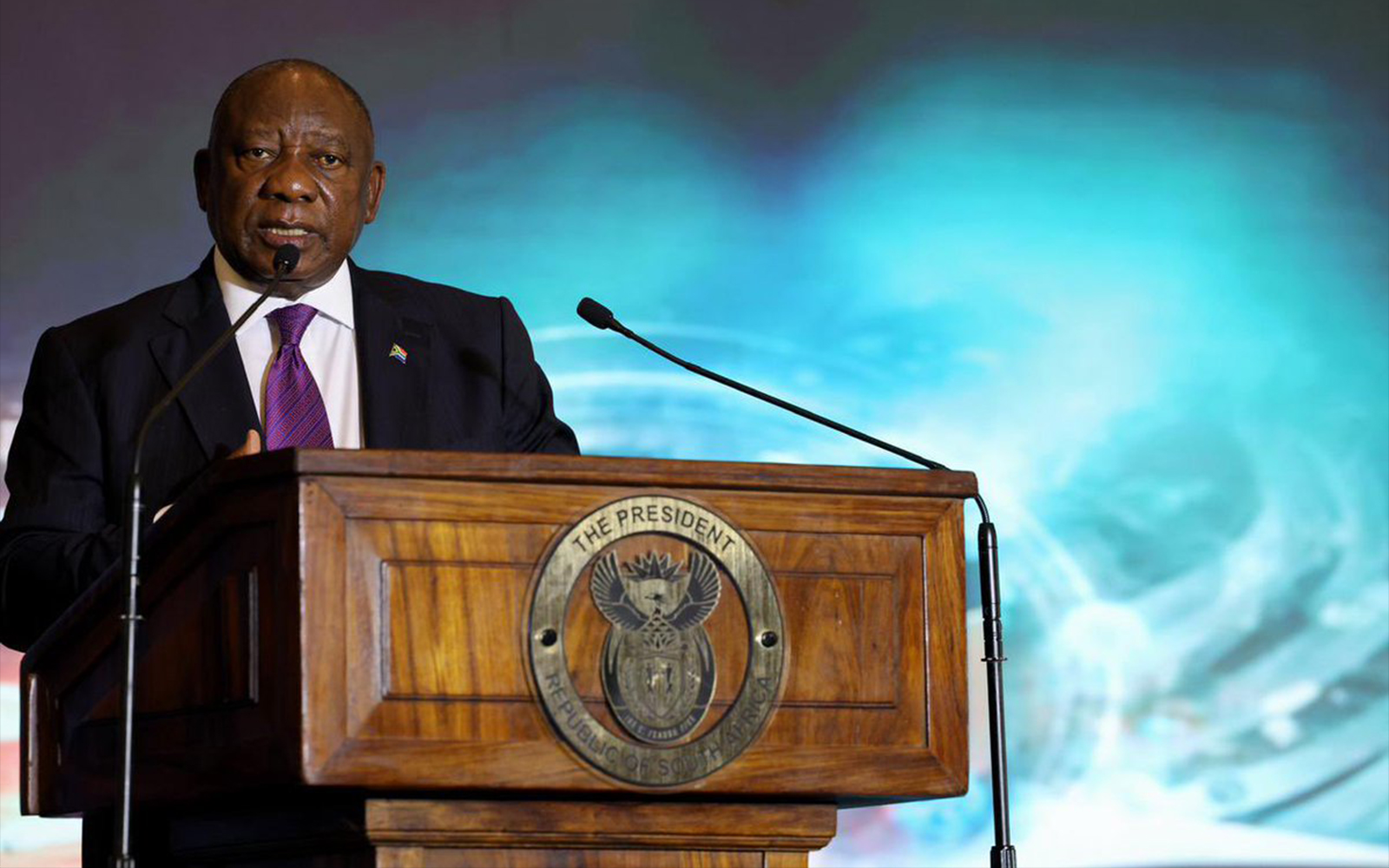
South Africa's painful past and hard-won democratic triumphs took centre stage as President Cyril Ramaphosa led the launch of the Milestones of Freedom campaign at the Union Buildings in Tshwane on Thursday, 18 June 2026. The campaign, held under the theme "Honouring the Past. Delivering the Future", is designed to reflect on the country's long journey from oppression to democracy while renewing the national commitment to building a better life for all. Speaking at the launch, Ramaphosa said South Africa's history is filled with moments of pain, courage and collective victory, but warned that freedom cannot be treated as a completed project. Instead, it must be carried forward through active citizenship, ethical leadership, service delivery and the continued work of building a fairer and more prosperous society.
The campaign arrives at a significant moment in South Africa's democratic story. The country is marking several landmark anniversaries, including 50 years since the 1976 Youth Uprising, 70 years since the 1956 Women's March, and 30 years since the adoption of the democratic Constitution. These milestones are more than dates on a national calendar; they are reminders of the ordinary people who stood against injustice and helped change the direction of the country. Ramaphosa said these moments of freedom were made by people who refused to wait for others to determine their fate. He called on South Africans to rekindle that same spirit, saying freedom is not a monument visited once a year, but a responsibility carried every day.
The Milestones of Freedom campaign is also being used to connect remembrance with delivery. Government has identified several priority areas that will shape the country's next phase of progress, including building an inclusive and growing economy, expanding pathways from the classroom to the workplace, intensifying the fight against poverty and hunger, strengthening the health system, confronting crime and corruption without fear or favour, and building a capable, ethical state that serves the people. These priorities place the campaign firmly in the present, reminding citizens that honouring the past must also mean addressing the realities that continue to affect communities, from unemployment and inequality to weak services and social division.
Ramaphosa's message was that South Africa's democratic achievements must not be separated from the unfinished work of transformation. The country has achieved political freedom, built constitutional institutions and expanded rights, but many people still measure freedom by whether they have work, food, safety, quality healthcare, education and reliable public services. The campaign therefore seeks to move national memory beyond ceremony and into practical responsibility. It asks how the sacrifices of those who fought apartheid can be honoured through today's decisions, budgets, reforms and community action.
The Union Buildings provided a powerful setting for the launch, symbolising both the authority of the democratic state and the long road South Africa travelled to reach it. Leaders from government, business, youth formations and civil society were expected to participate, showing that the campaign is not only a government programme, but a call for shared national ownership. The challenges facing South Africa cannot be solved by the state alone. Business has a role in investment, growth and job creation. Young people have a role in innovation, civic participation and holding institutions accountable. Civil society has a role in defending rights, strengthening communities and ensuring that the voices of ordinary people remain central to public life.
At its heart, the Milestones of Freedom campaign is about turning history into action. It recognises the pain of the past, celebrates the courage that made democracy possible, and insists that the promise of freedom must now be visible in daily life. For South Africans, the campaign is a reminder that the journey from oppression to democracy was never meant to end with political liberation alone. It must continue through a prosperous future where dignity, opportunity and justice reach every household. The launch therefore carries a clear message: the past must be honoured, but the future must be delivered.


