
eThekwinis R75.3bn Budget Places Service Delivery, Infrastructure Renewal and Growth at the Centre of Durbans Turnaround
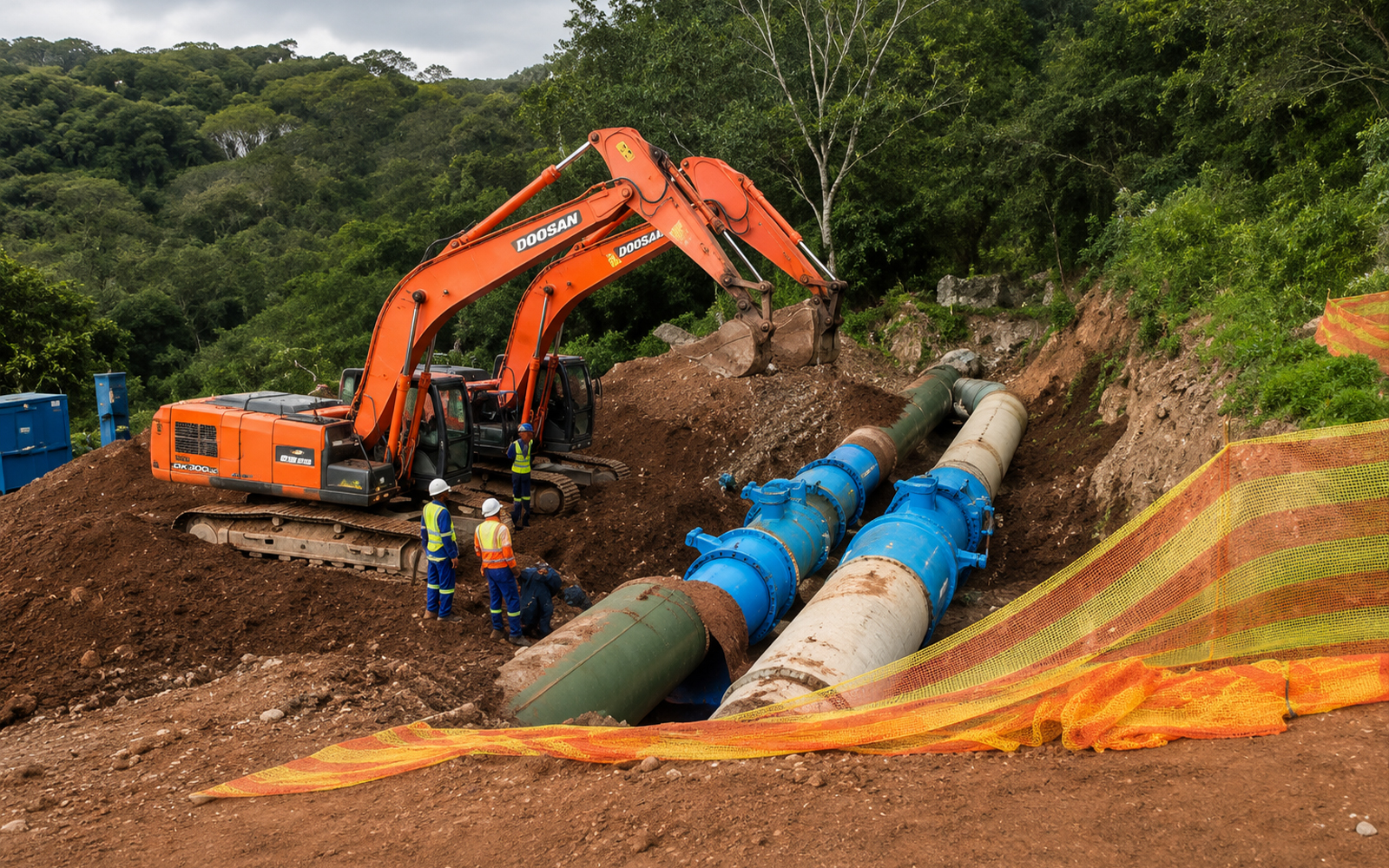
eThekwini Municipality has adopted a R75.3 billion budget for the 2026/2027 financial year, setting out an ambitious but tightly managed plan to accelerate service delivery, repair ageing infrastructure and support long-term economic growth across Durban and its surrounding communities. The budget, approved through the city's Medium-Term Revenue and Expenditure Framework, includes an operating budget of about R69 billion and a capital budget of R6.3 billion, with a strong focus on water, sanitation, electricity, refuse removal, road rehabilitation, housing delivery and the turnaround of the city's trading services. Mayor Cyril Xaba told Council that the budget is not simply an aspirational document, but a funded and credible financial plan assessed by National Treasury, designed to balance urgent community needs with affordability and financial sustainability. The final budget follows a public participation process held after the draft budget was tabled in March 2026. Between 13 April and 11 May 2026, the municipality hosted 12 public budget hearings, including engagements with business stakeholders, disability organisations, ratepayer associations and communities across all municipal wards. Xaba said many of the public submissions reflected the daily pressures residents face, particularly around the cost of living and the reliability of basic services. As a result, several proposed tariff increases were reduced before the final budget was adopted. Domestic water increases were lowered from 15% to 12%, business water from 16% to 13%, domestic sanitation from 13% to 8%, business sanitation from 14% to 9%, property rates from 5% to 2%, refuse from 13% to 9.5%, and electricity from 10.5% to 9%. The city has also amended its Indigent Support Policy to give more targeted relief to vulnerable households. The exemption threshold for property rates for indigent households has been increased from R350 000 to R400 000, while the qualifying threshold for pensioner rebates has been raised from R2.5 million to R2.75 million. These adjustments are intended to cushion lower-income households, pensioners and ratepayers while still allowing the municipality to fund essential services. According to the municipality, key sources of revenue will include service charges, property rates, grants and levies, while major spending areas will include bulk purchases, employee-related costs, contracted services and core operational expenditure. Infrastructure renewal remains one of the strongest priorities in the budget. eThekwini says the new financial plan places major emphasis on upgrading ageing systems, improving the reliability of water, sanitation and energy services, and advancing spatial transformation across the city. Xaba highlighted progress made over the past five years, including more than 21 000 new electricity connections, mostly in previously underserved communities, helping push electricity coverage to almost full access. The city also reported the construction of 7 910 housing units, the issuing of 3 200 title deeds, and the rehabilitation of more than 500 kilometres of roads. These achievements are being framed as evidence that the municipality is not only planning for growth, but also trying to restore dignity, improve mobility and strengthen the everyday quality of life for residents. The budget also places renewed attention on governance, productivity and value for money. eThekwini says it will continue interventions to reduce overtime abuse, improve municipal response times and use artificial intelligence and digitalisation to improve efficiency. The broader message from the city is that Durban's recovery depends on more than spending: it requires better systems, stronger accountability, faster repairs and a municipality capable of delivering visible improvements in communities. For residents and businesses, the R75.3 billion budget represents a major test of whether eThekwini can convert financial planning into cleaner streets, more reliable services, upgraded infrastructure and stronger confidence in the city's economic future.


