
Cape Town Airport Runway Operations Resume After Aircraft Incident
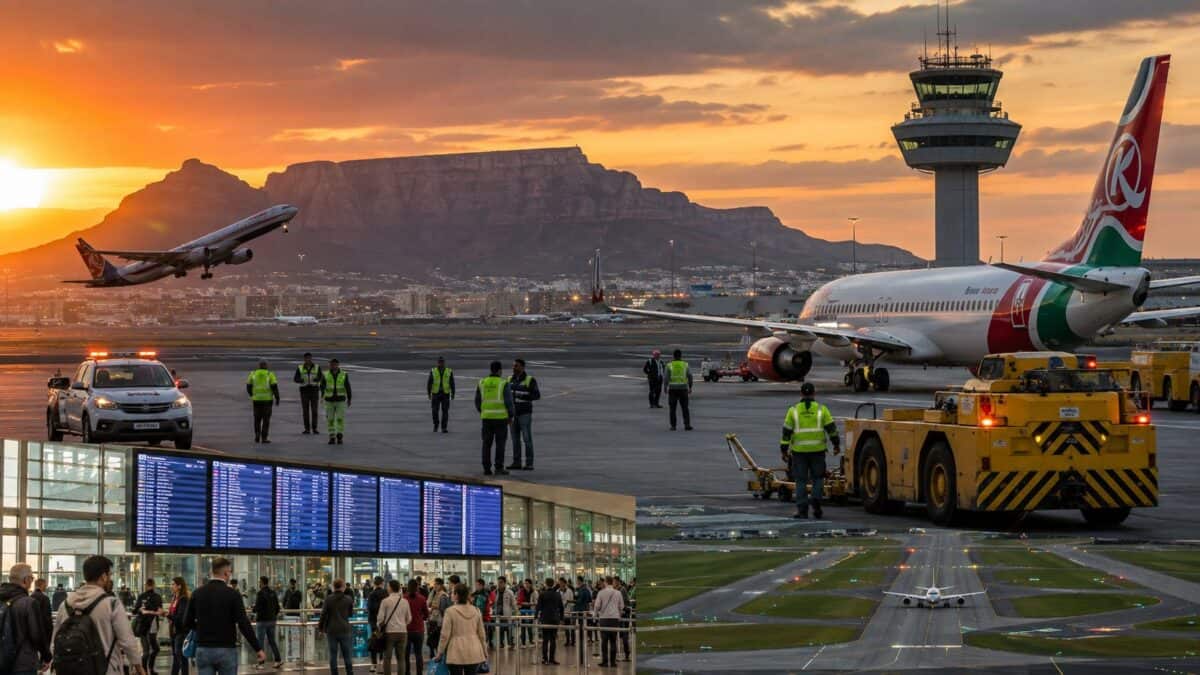
Runway operations at Cape Town International Airport have resumed after an aircraft incident temporarily disrupted activity at one of South Africa’s busiest aviation gateways. According to SAnews, Airports Company South Africa confirmed that operations were restored following the necessary safety response, technical checks and coordination with aviation stakeholders. The development brought relief to passengers, airlines and airport partners after an incident that required immediate operational control to protect safety and manage delays.
Cape Town International Airport is one of the country’s most important transport hubs, serving domestic, regional and international passengers while supporting tourism, trade, business travel and cargo movement. Any disruption to runway operations can quickly affect thousands of travellers, airline schedules and connecting flights. For this reason, the resumption of operations was an important signal that safety teams had completed the required assessments and that the airport could begin returning to normal movement patterns.
Aircraft incidents at major airports are handled with strict safety procedures. Even when an incident is contained, runway activity may be paused or restricted while emergency teams, airport operations staff, aircraft recovery specialists and aviation safety officials assess the scene. This is done to ensure that the runway is clear, the surface is safe, affected aircraft are properly managed and no hidden risk remains for departing or arriving flights. In aviation, speed matters, but safety always comes first.
The incident at Cape Town International Airport once again highlighted the importance of coordinated response systems in modern aviation. Airports are complex environments where airlines, air traffic services, ground handlers, emergency personnel, security teams and technical staff must work together under pressure. When an incident occurs, every decision must be precise, from runway inspection and aircraft movement to passenger communication and schedule recovery. The successful resumption of runway operations shows the value of these systems working in a disciplined and organised manner.
For passengers, the most immediate effect of a runway disruption is uncertainty. Flights may be delayed, rerouted, rescheduled or temporarily held while airport authorities complete safety procedures. This can affect family travel, business meetings, connecting flights and airline operations. Airport authorities and airlines therefore have a responsibility to communicate clearly and continuously with passengers, especially when operational conditions change during the recovery process. Travellers are encouraged to check directly with their airlines and airport platforms for updated flight information.
The restoration of runway operations does not always mean that every flight returns to schedule immediately. After an interruption, airports and airlines usually need time to clear backlogs, reposition aircraft, adjust crew schedules, update departure slots and manage passengers affected by delays. This recovery phase can continue for several hours, depending on the scale of the disruption. However, the reopening of the runway is the key turning point that allows airport operations to begin stabilising.
Cape Town International Airport plays a critical role in the Western Cape economy. It supports the tourism sector, links the province to major business centres, enables international connectivity and facilitates the movement of people and goods. A quick and safe return to runway operations is therefore important not only for travellers, but for hotels, tour operators, conference organisers, exporters, transport providers and businesses that depend on reliable aviation links. Airport resilience has become a major part of economic resilience.
The incident also serves as a reminder that aviation safety depends on preparedness, training and constant vigilance. Airports must be ready for unexpected events at any time, whether they involve aircraft, weather, technical faults, infrastructure challenges or operational emergencies. The ability to respond quickly, protect passengers and staff, and restore operations safely is what separates a controlled disruption from a prolonged crisis. In this case, the focus remained on stabilising the situation while maintaining safety as the highest priority.
As operations normalise, attention will likely turn to the technical review of the incident and any lessons that can strengthen future response. Aviation incidents are usually followed by internal assessments to understand what happened, how systems responded and whether any additional measures are needed. This process is essential because aviation safety improves through continuous learning. Even when operations resume, the work of review, reporting and prevention remains part of responsible airport management.


