
Cabinet Closes the E-Toll Debt Chapter as Gauteng Road Users Get Final Relief
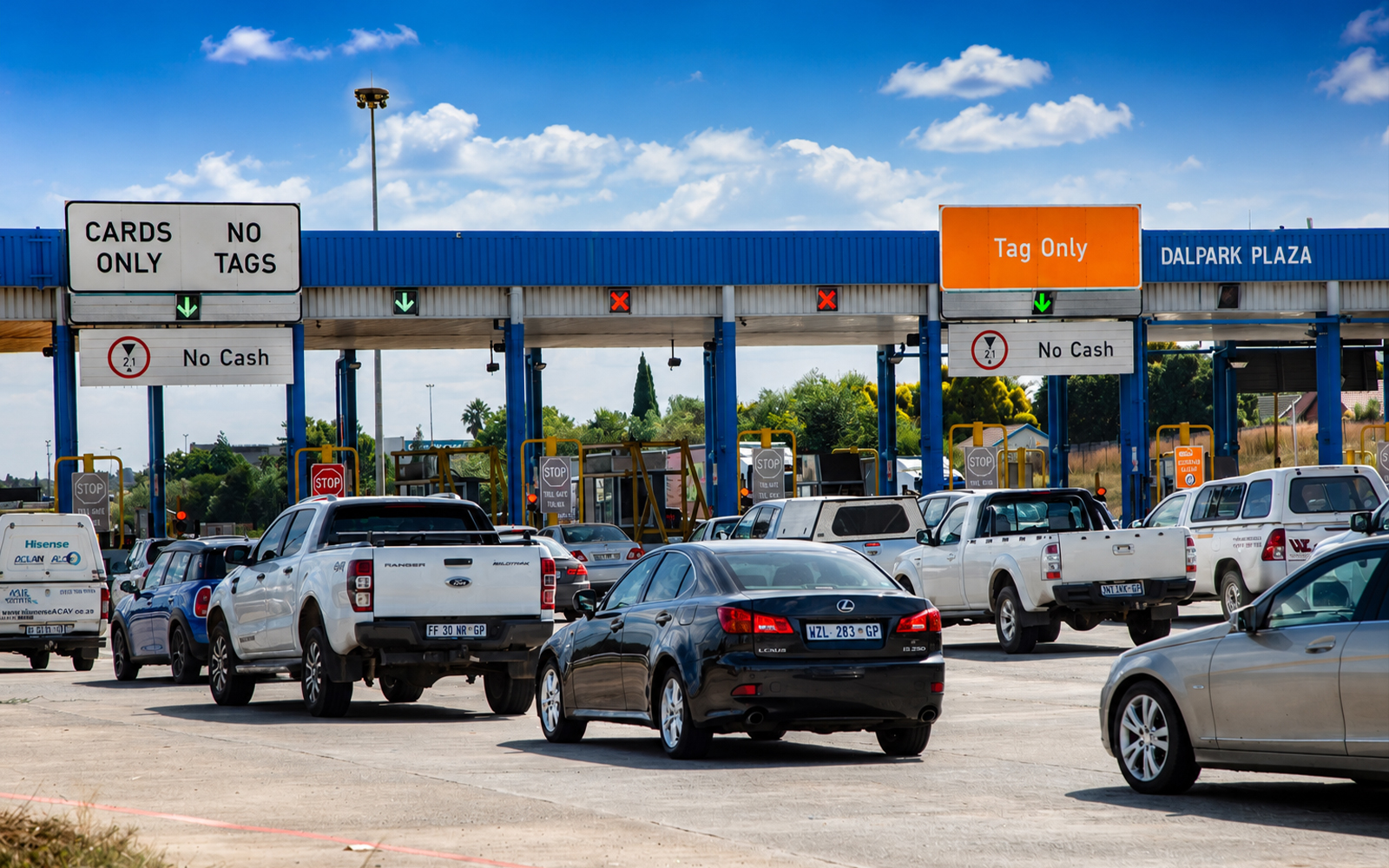
Cabinet has approved the final closure of the Gauteng Freeway Improvement Project e-toll historical debt, bringing long-awaited certainty to one of South Africa's most contested road-funding issues. Transport Minister Barbara Creecy and Deputy Minister Mkhuleko Hlengwa welcomed the decision, saying it provides relief to Gauteng Road users while allowing government and the South African National Roads Agency Limited to close the matter in an orderly and responsible way. The decision confirms that all outstanding and unpaid historical GFIP e-toll debt owed by road users will be written off, that SANRAL will not pursue any further collection of historical e-toll debt, and that all outstanding litigation linked to the system will be resolved. The e-toll system was introduced as a funding mechanism for the upgraded Gauteng freeway network, but it became one of the most unpopular public finance measures in recent history. Many road users resisted the system from the start, arguing that the cost placed unfair pressure on motorists already dealing with fuel prices, vehicle costs, insurance, maintenance and the broader cost of living. Over time, the system became difficult to enforce, politically contentious and financially complicated, with unpaid debt accumulating while public confidence in the model declined. Cabinet's latest decision follows government's earlier move to close the GFIP e-toll scheme and withdraw the toll declarations, which took effect on 11 April 2024. According to the Department of Transport, the close-out is intended to provide certainty, resolve historical debt matters and support a more sustainable approach to funding, maintaining and improving South Africa's national road network. This means motorists with unpaid historical e-toll balances will no longer face further collection from SANRAL. However, road users who lawfully paid e-tolls while the system was legally in force will not receive refunds, because the levies were lawful at the time they were paid, before the toll declarations were withdrawn. Cabinet had earlier approved SANRAL's plan to shut down the GFIP system, including the orderly resolution of OUTA litigation, residual litigation exposure and historical debt recovery matters. The decision is significant because it closes more than a decade of uncertainty around e-tolls and provides a clear policy endpoint for motorists, SANRAL and the fiscus. For Gauteng road users, it brings practical financial relief at a time when households are under pressure from high fuel costs and other economic strains. For government, it creates room to move away from a disputed model and focus on road infrastructure funding arrangements that are legally sound, broadly accepted and clearly communicated. The Department of Transport has stressed that the user-pay principle remains part of South Africa's road infrastructure funding framework, but said it must be appropriately structured, negotiated where needed, supported by legal certainty and accepted by road users. The closure of the e-toll historical debt chapter does not remove the need to maintain and expand Gauteng's freeway network. Instead, it places renewed pressure on government to find credible, fair and sustainable ways to fund road infrastructure without reigniting public resistance. The wider lesson from the e-toll saga is that infrastructure financing must be transparent, affordable and trusted by the people expected to pay for it. Cabinet's decision may finally end the historical debt dispute, but the future of road funding will still depend on whether government can balance fiscal responsibility, public acceptance and the need for safe, modern and well-maintained transport networks.


