Sponsored by

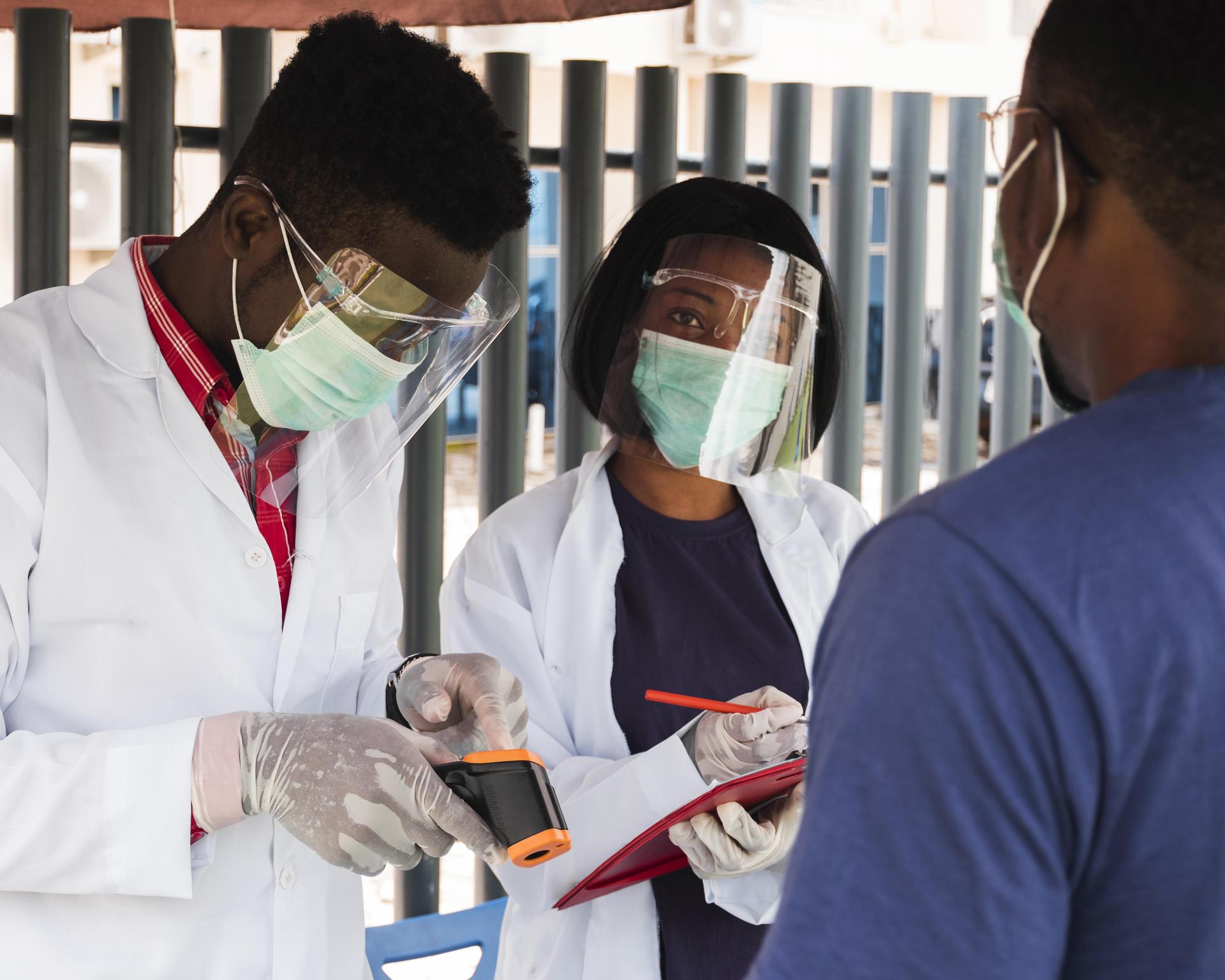
 In South Africa's evolving workplace landscape, Occupational Health and Safety (OHS) compliance is not just a legal requirement, it is a moral and strategic imperative. Whether in construction, healthcare, manufacturing, or corporate environments, ensuring employee safety has become central to sustainable business operations and reputational integrity.
OHS compliance is governed primarily by the Occupational Health and Safety Act (No. 85 of 1993), which mandates employers to provide and maintain a working environment that is safe and without risk to the health of employees. The law applies to all workplaces and requires both employers and employees to play an active role in preventing injuries, illnesses, and fatalities on the job.
Compliance encompasses a wide range of responsibilities, from hazard identification and risk assessments to the implementation of safety policies, training programmes, and emergency response procedures. Regular inspections, safety audits, and documentation are also vital to maintaining legal and operational standards.
Non-compliance with OHS regulations carries severe consequences, including financial penalties, legal liability, and reputational damage. More importantly, unsafe work environments can lead to injuries, loss of life, and decreased productivity, outcomes that no business can afford.
On the other hand, companies that prioritise OHS compliance enjoy significant advantages:
Beyond the business case, OHS compliance demonstrates corporate accountability and care, cornerstones of ethical leadership in South Africa's modern economy.
For many organisations, achieving full compliance can be complex. Occupational health and safety consultants play a crucial role in guiding businesses through legal frameworks, developing tailored safety management systems, and ensuring that all operational areas meet statutory requirements.
Their services typically include:
Working with a certified OHS consultant ensures that businesses not only meet compliance obligations but also build a proactive safety culture that protects both people and performance.
True compliance extends beyond checklists and inspections. It is about embedding safety into every level of the organisation, from leadership commitment to daily workplace practices. When employees feel safe and valued, productivity increases, absenteeism decreases, and organisational resilience grows.
As South Africa continues to promote workplace health and safety as a national priority, OHS compliance remains a fundamental component of sustainable business success.
Credit:
This article is presented in collaboration with Empirical Occupational Health and Safety Services, specialists in Occupational Health and Safety compliance, training, and risk management, helping South African businesses create safer, more compliant workplaces across all industries.
For information call 011 316 5079 or visit
www.empirical-services.com.

Keep In Touch

Download Our App


View Media Kit


© 2026 Government Directory of South Africa - powered by Dotcom Africa | Advertising Terms | Terms of Use